
How to Make Wide WPC Panels Flatter and Stronger
In recent years, wood-plastic composite (WPC) materials have gained widespread popularity in the fields of architecture, landscaping, and decorative design. They offer a winning combination of durability, sustainability, and low maintenance, making them a preferred alternative to traditional wood and metal panels. Among various WPC applications, wide-format panels—used in flooring, wall systems, and composite boards—are becoming increasingly common.
However, these wide WPC boards often face a persistent manufacturing challenge: surface unevenness and warping, especially during cooling and shaping. This not only affects the visual appeal of the finished product but also compromises mechanical performance and overall yield. A new technical solution has emerged to address this issue—enhancing the heat conductivity of WPC panels using specialized additives.
Let’s explore how this breakthrough technology works and why it’s transforming the production of wide WPC panels.
Why Wide WPC Panels Are Difficult to Produce
Wide panels—typically defined as panels with a width over 0.5 meters—have a much larger surface area than standard planks. This design brings both aesthetic and functional benefits, especially in modern architecture and modular construction. However, the greater the width, the more difficult it becomes to maintain uniformity during extrusion and cooling.

The Core Problem: Uneven Heat Dissipation
WPC is composed of two major components:
- Plastic resins such as polyethylene (PE), polypropylene (PP), or PVC.
- Plant-based fibers like wood flour or bamboo powder.
Plastic resins have relatively moderate thermal conductivity. For example, high-density polyethylene (HDPE) has a conductivity of about 0.42 W/(m·K). In contrast, plant fibers—such as wood flour—have much lower thermal conductivity, typically around 0.14–0.17 W/(m·K).
When combined in high proportions (WPC often contains more than 40% wood flour), this disparity causes poor and uneven heat transfer across the panel during manufacturing. As a result:
The edges cool faster than the center.
The center retains heat longer, causing internal thermal stress.
This stress leads to surface unevenness, warping, and even cracks during or after forming.
The Breakthrough: Adding High-Conductivity Fillers
To overcome this thermal imbalance, a new formulation has been developed that incorporates high thermal conductivity fillers into the WPC base material. These fillers, with thermal conductivity rates exceeding 15 W/(m·K), form a conductive network throughout the composite material.
Key Benefits:
- Accelerates and balances heat dissipation during cooling.
- Reduces the temperature gradient between the center and the sides of the board.
- Minimizes internal stress, greatly improving surface flatness and structural integrity.
This innovation was developed and patented by Anhui Sentai WPC Technology, which has successfully integrated the process into its manufacturing of wide WPC base panels.
Material Composition of the Upgraded WPC Panel
Here is the typical composition for the improved wide-format WPC panel:
| Component | Proportion (by mass) | Function |
| Polyolefin resin | 20–30% | Matrix base (typically HDPE) |
| Plant fiber (wood powder) | 30–50% | Natural filler, texture |
| High-conductivity filler | 20–30% | Enhances thermal conductivity |
| Processing additives | Varied | Improves flow, stability, and processing ease |
Optional Enhancements:
Surface treatment of the conductive filler with coupling agents for better dispersion.
Addition of fiber reinforcement (e.g., glass fibers or mineral fibers) to further improve mechanical strength and load-bearing capacity.
Advantages of the New WPC Panel Technology
1. Flatter, Higher-Quality Surfaces
By equalizing the cooling rate across the panel, this method significantly reduces warping, rippling, and surface defects. Manufacturers report a higher yield and reduced scrap rate, especially for panels used in visible or laminated applications.
2. Improved Structural Strength
The enhanced formulation can also support greater mechanical load, making it suitable for structural flooring, sub-panels, or decorative facades.
3. Versatility in Application
These upgraded WPC base panels can be:
- Laminated with decorative PVC films
- Pressed with foam or acoustic materials
- Used as a substrate for indoor panels, outdoor boards, or commercial cladding
4. Sustainability and Cost Control
The formulation allows for the use of recycled polyethylene (PE) as part of the plastic matrix. This helps manufacturers reduce raw material costs and meet growing demands for eco-friendly products. In fact, 100% recycled PE or a blend with virgin resin can be used, depending on the desired performance level.
Technical Conclusion
This new WPC formulation provides clear and measurable benefits:
- Thermal conductivity of the composite reaches 0.35 W/(m·K) or higher—comparable to pure plastic resin.
- Significantly reduces temperature differential between the center and edges.
- Minimizes internal stress during cooling and forming, solving one of the biggest issues in wide WPC panel manufacturing.
The addition of reinforcing fibers further strengthens mechanical properties, expanding application potential.
A New Standard for Wide WPC Panel Production
As construction trends move toward modular, lightweight, and sustainable materials, wide-format WPC panels are gaining ground in both residential and commercial applications. However, to fully unlock their potential, production challenges like warping and uneven cooling must be addressed.
With the development of this high-conductivity additive technology, manufacturers now have a powerful tool to improve quality, reduce waste, and increase efficiency in the production of wide WPC panels.
Trending Reading
How to Screen in a Deck: A Complete Guide
A deck is one of the best spots to relax, host gat...
How to Choose the Right Deck Sizes for Your Home
A deck can transform your backyard into a true ext...
How to Calculate Deck Post Spacing for a Safe and Sturdy Deck
Whether you’re building a backyard retreat or upgr...
Deck Inspection Made Easy: Why It Matters and What to Look for
Your deck is more than just an outdoor platform—it...

Breakdown of Composite Decking Types
Nowadays, composite decking has become the go- to ...

How Much Does a Deck Remodel Cost?
In recent years, more and more homeowners have cho...

Answering 9 Questions You Might Have about Building a Roof Deck
A roof deck is an outdoor platform built on a flat...
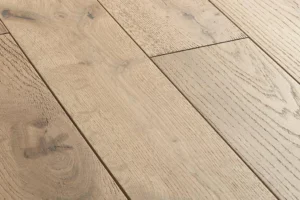
Solid Wood vs WPC: Which One Is the Best Wood For Decks?
When decorating a house, it is often hard to decid...

Cheap Deck Railing Ideas: Designs that Still Look Great without Breaking the Bank
A lot of modern homes use glass for deck railings ...

Deck Joist Spacing Guide: How to Get It Right for a Safe and Strong Deck
When building an outdoor deck, the joist structure...
Trending Reading

What Are the Differences Between the WPC Board and PVC Board?
[2025 Update] How Long Does WPC Decking Last?


