
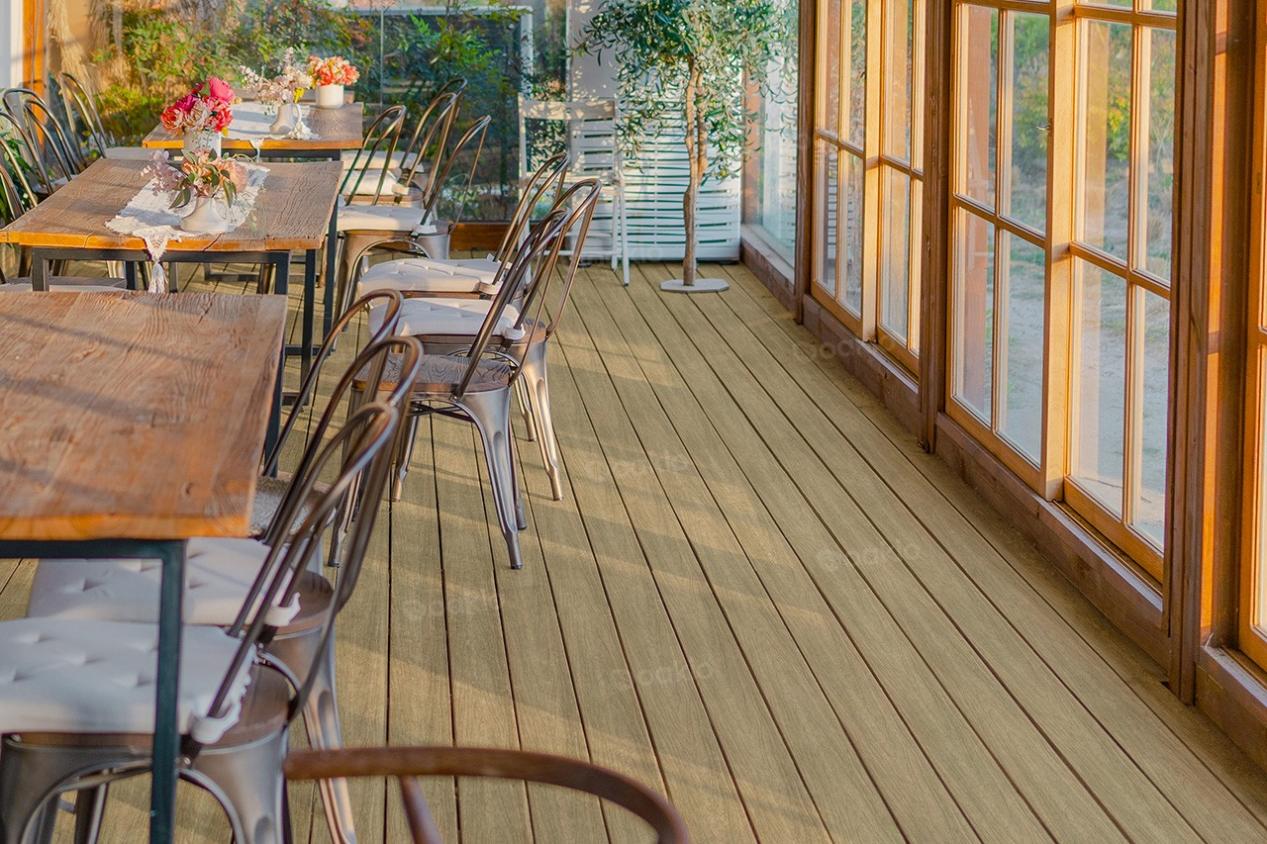
DIY Upgrades: Decking Board Installation and Replacement Guide

Introduction
Taking on a decking board installation or replacement as a DIY project offers homeowners both satisfaction and savings.
Not only does it enhance your outdoor living space’s appearance, but it also extends the life and safety of your deck. Many homeowners today are switching from traditional wood to modern options like Oakio’s composite wood decking materials, which provide longer-lasting performance and lower maintenance.
This guide focuses on practical steps, techniques, and vital considerations to empower DIY enthusiasts with intermediate skills to successfully install and replace their decking boards, with special attention to the benefits of composite wood decking material.
H2: Understanding Decking Board Components and Tools
Before starting your project, it’s essential to understand that decking boards come in several types, each with pros and cons.
Traditional wood boards offer natural beauty but require regular maintenance and can rot or warp. Composite wood decking material combines recycled wood fibers and plastic for greater durability and low maintenance, though it can be pricier upfront. PVC decking is lightweight and highly weather-resistant, but less common.
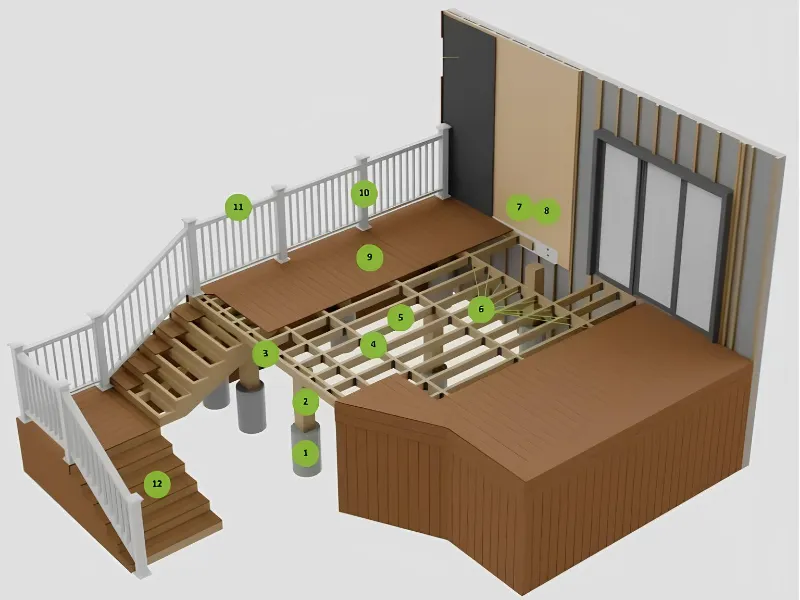
A deck’s anatomy includes the visible surface boards and the hidden substructure—joists and beams that provide support. Key tools for installation or replacement include power drills, circular or miter saws, tape measures, and chalk lines. Additionally, safety equipment like gloves and goggles is crucial.
Preparing your workspace means ensuring a clean, stable surface and proper ventilation. Safety always comes first—inspect tools, keep the area tidy, and double-check measurements before cutting or fastening any board.
The Steps of Replacement and Installation (425 words)
Ready to tackle your decking board project? Follow these straightforward steps to ensure a smooth and safe DIY deck journey.
Step 1: Preparing for Decking Board Installation or Replacement
Start by thoroughly inspecting your deck’s current condition. Look for rotted, warped, and loose decking boards to assess the substructure for hidden damage. If the beams and joists are in good condition, you may usually replace them partially; if not, a complete overhaul may be warranted.
Using a pry bar or drill, carefully remove any old or broken boards, being careful not to damage the substructure. Clean and sweep the exposed frame, being sure to remove any debris and look for any rusty screws or nails.
Next, measure the entire deck surface to determine the number of new boards needed. For precise fitting, measure twice and cut once. This stage is also a great time to decide whether you’ll use composite wood decking material for a long-lasting upgrade or stick with traditional wood for a classic finish.
Step 2: Installing Decking Boards
When installing composite deck boards, start by laying them out to visualize spacing and alignment. Use spacers to maintain consistent gaps for drainage and expansion—about 1/8 inch is standard.
Fastening methods vary; you can use top-down screws for a traditional look or hidden fasteners for a seamless finish. Cut boards accurately to fit edges and corners, ensuring proper alignment along joists.
To lessen warping tendencies, avoid over-tightening fasteners, and ensure the substructure is completely dry before installation. Expansion joints are essential for temperature changes, especially with composite wood decking material.
For a polished design, consider a picture frame layout that borders the deck with contrasting or matching boards. Secure boards firmly, but avoid overtightening screws to allow for natural expansion and water drainage, which is critical when installing composite deck boards. Proper fastening ensures deck longevity and safety.
Step 3: Replacing Decking Boards
Replacing damaged boards begins with identifying problem areas—look for discoloration, softness, and other weather- or wildlife-related damage.
When replacing, it’s best to match the new boards to the existing ones by using the same brand and series, ensuring uniform color and texture. For example, matching the best composite deck boards from Oakio ensures consistency.
Prepare replacement boards by cutting them to size and pre-drilling holes to avoid splitting. Remove old boards carefully, or even apply support cleats under the board’s ends if needed. Use a pry bar or screw gun to remove old boards without damaging the substructure.
When installing composite deck boards, align them evenly, secure them with compatible fasteners, and maintain uniform spacing. Blend new boards visually by cleaning and brushing the entire surface to minimize contrast.
Once installed, inspect for stability and safety—tighten loose screws, test for movement, and finish with sealing or a deck wash for a cohesive look.
Maintenance Tips for Longevity
After completing your decking board installation, regular care ensures long-term visual appeal alongside strength. Sweep debris frequently and clean the surface with mild soap and water to prevent mold and stains. Seasonally inspect for loose fasteners, fading, or minor cracks, addressing issues early so they don’t compound in the future.
Avoid common mistakes, such as ignoring drainage gaps or using improper fasteners, which can cause warping or structural issues. Also, do not pressure wash too close to the surface, as this can damage finishes. For composite wood decking material, use manufacturer-approved cleaners to preserve the surface.
To avoid rust stains, avoid putting metal furniture directly on the boards. With proper maintenance, cleaning, and spacing, your enhanced deck will remain strong, secure, and beautiful for many years.
Conclusion
Undertaking decking board installation or replacement DIY projects can be fulfilling, offering both cost savings and a sense of accomplishment. With the right tools, preparation, and patience, you can transform an aging deck into a stunning, sturdy outdoor retreat.
Choosing high-quality materials, such as the best composite deck boards from Oakio, ensures long-term results that withstand weather and wear. Whether you’re installing composite deck boards for the first time or simply replacing a few damaged pieces, every effort adds to your home’s comfort and value.
Take pride in your work, and remember that expert resources and installation guides can be available should you need them. With confidence and care, your DIY decking journey can truly elevate your outdoor living experience.
Trending Reading

Can You Use WPC for Fascia Boards?
Fascia boards are the horizontal boards installed ...
Composite Deck Handrails: The Ultimate Choice for Style, Durability, and Low Maintenance
Introduction A well-chosen deck handrail is far mo...

10 Composite Deck Railing Ideas for a Modern Outdoor Space
When it comes to designing an outdoor deck, the ra...

10 Patio Design Ideas That Turn Your Backyard Into a Relaxing Retreat
Your patio is more than just a paved corner in the...

Composite Railings for Decks: An In-Depth Guide to Your Options
Choosing the right composite railing for a deck pr...

The 2025 DIY Enthusiast’s Guide to WPC Deck Flooring
Eyeing a backyard upgrade? You’ve probably stumble...

10 Inspiring Deck Pergola Ideas to Add Shade and Style to Your Outdoor Space
A pergola is one of the most versatile additi...

10 Stylish Ground Level Deck Ideas to Create a Cozy Backyard
When it comes to transforming your outdoor space i...

10 Stunning Outdoor Shower Ideas to Elevate Your Backyard Oasis
When it comes to creating a luxurious and refreshi...
Privacy is Priceless: 17 Outdoor Deck Privacy Ideas for the Discerning Homeowner
The right approach to deck privacy can turn your o...
Trending Reading

What Are the Differences Between the WPC Board and PVC Board?


[2025 Update] How Long Does WPC Decking Last?


