
How to Become a WPC Wall Panel Distributor
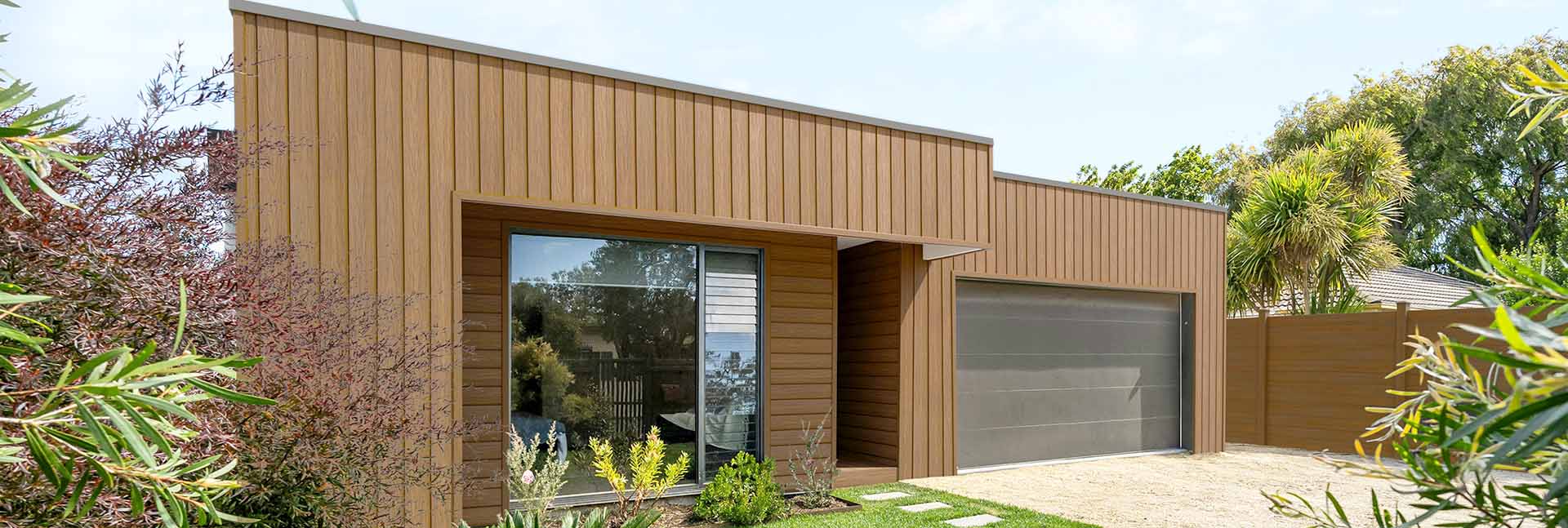
The global construction and renovation industries are increasingly adopting Wood-Plastic Composite (WPC) wall panels as a durable, low-maintenance, and sustainable alternative to traditional materials. From residential facades to commercial interiors, WPC wall panels are gaining popularity due to their aesthetic appeal, weather resistance, and long service life.
As demand continues to grow, becoming a WPC wall panel distributor presents an attractive business opportunity for building material suppliers, wholesalers, contractors, and entrepreneurs. However, success requires more than simply purchasing products and reselling them. Choosing the right manufacturer, understanding market demand, and building a strong distribution network are all critical factors.
This guide explains the key steps to becoming a successful WPC wall panel distributor and building a profitable long-term business.
What Does a WPC Wall Panel Distributor Do?
A WPC wall panel distributor acts as the link between manufacturers and local customers. Rather than producing the materials, distributors focus on bringing products to regional markets and providing sales, logistics, and customer support services.
Distributors typically work with a variety of customers, including:
- Building material retailers
- Construction companies
- Contractors and installers
- Architects and designers
- Property developers
In addition to selling products, distributors often provide technical information, installation guidance, sample materials, and after-sales support. This value-added service helps build trust and long-term relationships with customers.

Why the WPC Wall Panel Market Is Growing
Before entering any distribution business, it is important to understand market trends and demand drivers.
Traditional materials such as wood, stone, and metal often require significant maintenance or come with higher installation costs. WPC wall panels offer an alternative that combines attractive appearance with durability and ease of maintenance.
Several factors are driving market growth:
The increasing focus on sustainable construction has encouraged developers and homeowners to choose environmentally responsible materials. WPC products often incorporate recycled materials while reducing the need for natural timber.
At the same time, modern architectural designs are creating greater demand for decorative cladding systems that are both functional and visually appealing. WPC wall panels provide designers with a wide range of colors, textures, and finishes.
Additionally, property owners are increasingly looking for low-maintenance solutions that resist moisture, insects, fading, and weather damage. These advantages make WPC wall panels suitable for both exterior and interior applications.

Step 1: Research Your Local Market
The first step toward becoming a distributor is understanding your target market.
Start by identifying the customer groups most likely to purchase WPC wall panels in your region. These may include contractors, developers, architects, retail building suppliers, and homeowners.
Next, evaluate the competitive landscape. Research which brands are already available in your market and identify opportunities where customer needs are not being fully met. For example, there may be demand for premium products, fire-rated panels, faster delivery, or better customer support.
Understanding local building trends, construction activity, and customer preferences will help you determine which products are most likely to succeed.
Step 2: Choose the Right WPC Wall Panel Manufacturer
Your success as a distributor depends heavily on the manufacturer you choose to partner with.
While pricing is important, it should not be the only consideration. Product quality, manufacturing consistency, technical support, and supply reliability are equally important.
When evaluating potential suppliers, consider the following factors:
- – Product quality and certifications
- – Manufacturing capacity and production stability
- – Variety of designs, colors, and profiles
- – Export experience and international standards compliance
- – Warranty coverage and after-sales support
- – Marketing resources available to distributors
It is also important to discuss distributor policies, including territory protection, minimum order requirements, lead times, and pricing structures.
A strong manufacturer-distributor relationship can create significant competitive advantages in the market.
Step 3: Select the Right Distribution Model
Not all distribution partnerships operate the same way.
Some manufacturers offer exclusive distribution agreements, granting distributors exclusive rights within a specific region. This can reduce direct competition and provide stronger market protection.
Others operate under non-exclusive agreements, allowing multiple distributors to sell products within the same territory. While this model offers greater flexibility, it can also create pricing competition.
Carefully evaluate which arrangement aligns best with your business goals, resources, and market conditions.
Step 4: Build Your Business Infrastructure
Successful distribution requires more than sales capabilities.
You will need systems to manage inventory, logistics, customer service, and order fulfillment. Depending on your business model, this may involve maintaining local stock to ensure faster delivery times and better customer responsiveness.
Reliable warehousing and transportation arrangements are especially important for large construction projects where delivery schedules can directly impact project timelines.
Investing in a knowledgeable sales team can also improve customer confidence and help convert inquiries into long-term business relationships.
Step 5: Develop a Competitive Product Portfolio
A diverse product offering allows distributors to serve a wider range of customers and project requirements.
Many successful distributors offer multiple categories of WPC wall panels, including exterior cladding systems, decorative interior panels, co-extrusion products, and premium architectural solutions.
Complementary products can further increase sales opportunities. These may include decking, fencing, ceiling systems, trim accessories, and installation components.
Providing complete project solutions often makes your business more attractive to contractors and developers who prefer sourcing materials from a single supplier.
Step 6: Create a Strong Marketing Strategy
Even the highest-quality products require effective marketing to generate demand.
A professional website is often the foundation of a successful distributor marketing strategy. Your website should clearly showcase product specifications, project photos, installation information, and contact details.
Search engine optimization (SEO) can help potential customers find your business when searching for WPC wall panels in your region. Local SEO strategies are particularly valuable for attracting nearby contractors and developers.
In addition to online marketing, trade shows and industry exhibitions remain highly effective channels for generating leads and building credibility. Product samples, mock-ups, and demonstration projects can help potential customers better understand the value of WPC wall panel solutions.
Building relationships with architects, designers, and contractors can also create a steady stream of project opportunities.
Step 7: Support Installers and Contractors
Providing excellent support can differentiate your business from competitors.
Many contractors are willing to try new products if they receive proper training and technical assistance. Installation guides, project consultation, and training programs can help reduce installation errors while improving customer satisfaction.
When contractors have positive experiences with your products, they are more likely to recommend them to future clients.
Strong technical support often becomes a major factor in customer retention and repeat business.
Common Challenges New Distributors Face
Like any business, WPC wall panel distribution comes with challenges.
Inventory management is one of the most common concerns. Maintaining sufficient stock while avoiding excessive inventory requires careful planning and demand forecasting.
Price competition can also affect profitability, particularly in markets with multiple suppliers. Focusing on product quality, service, and technical support can help differentiate your business beyond price alone.
Customer education is another important consideration. Many buyers may not fully understand the advantages of WPC products compared to traditional materials. Providing clear information and real-world project examples can help overcome this challenge.
Finally, maintaining a reliable supply chain is essential. Delayed shipments or inconsistent product quality can negatively impact customer relationships and business reputation.
Why Partner with Oakio as Your WPC Wall Panel Supplier
Choosing the right manufacturing partner is one of the most important decisions for any distributor.
Oakio has established itself as a trusted global manufacturer of high-performance WPC products, serving customers across multiple international markets. With extensive experience in product development and export operations, Oakio provides distributors with dependable support and a broad range of innovative solutions.
Oakio’s wall panel portfolio includes modern designs suitable for both residential and commercial applications. Distributors benefit from consistent product quality, reliable production capacity, technical expertise, and professional marketing support.
Whether you are entering the WPC industry for the first time or expanding an existing building materials business, partnering with Oakio can help accelerate growth and strengthen your competitive position in the market.
Conclusion
Becoming a WPC wall panel distributor offers significant opportunities as global demand for durable and sustainable building materials continues to increase.
Success starts with understanding your local market, selecting the right manufacturer, developing strong customer relationships, and providing outstanding service. While challenges exist, distributors who focus on quality products and long-term partnerships can establish a profitable and sustainable business.
By partnering with an experienced manufacturer such as Oakio, distributors gain access to the products, expertise, and support needed to succeed in today’s competitive construction materials market.
Trending Reading

Top WPC Distributor in the Philippines: Why Oakio Leads the Way
The construction and home improvement market in th...

Wholesale Composite Decking: A Complete Buying Guide
The wholesale composite decking market offers sign...
Composite Decking Distributor vs Manufacturer: What’s the Difference?
When sourcing composite decking for a construction...
How to Evaluate Composite Decking Quality Before Ordering
Choosing a composite decking supplier is an import...

How to Import Composite Decking from China
China has become an important sourcing destination...

What Support Should a Composite Decking Manufacturer Provide?
Choosing a composite decking manufacturer is about...

How to Choose a Reliable Composite Decking Distributor
Choosing a reliable composite decking distributor ...

Why Partner with Oakio for Long-Term WPC Wall Panel Supply
In today’s competitive construction and buil...

2026 WPC Wall Panel Design Trends Buyers Should Know
As architectural design continues to evolve, exter...
How to Balance Price and Quality When Choosing a WPC Wall Panel Supplier
As the market for Wood-Plastic Composite (WPC) wal...
Trending Reading

What Are the Differences Between the WPC Board and PVC Board?


[2025 Update] How Long Does WPC Decking Last?


