
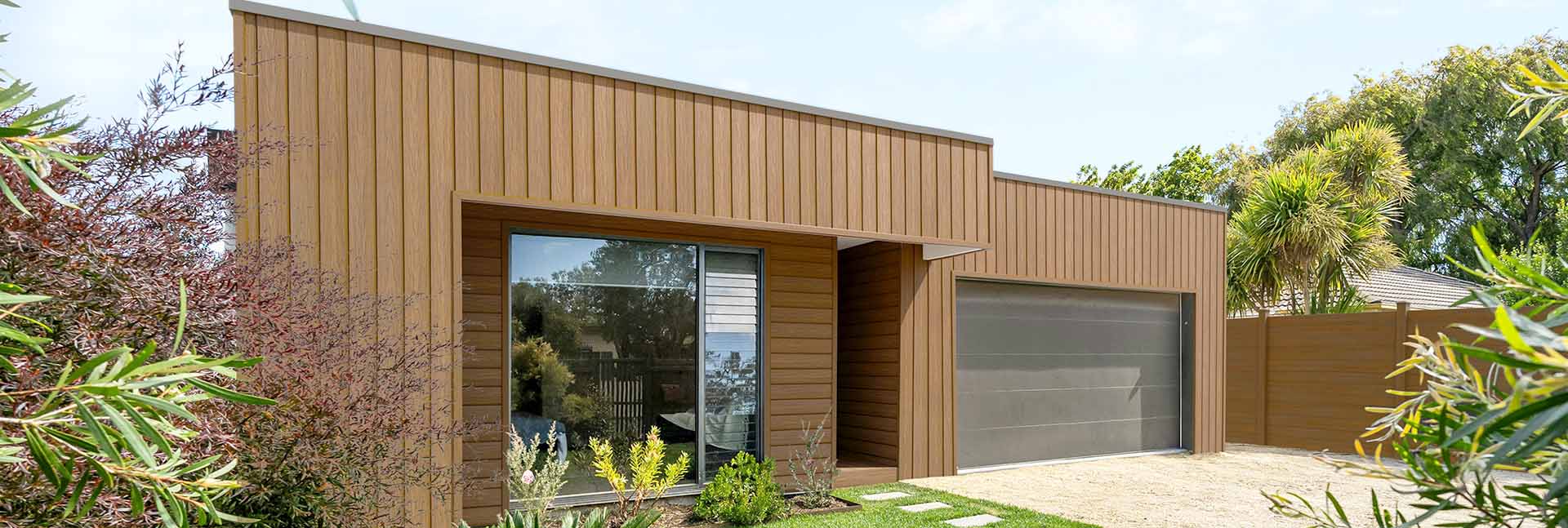
How to Balance Price and Quality When Choosing a WPC Wall Panel Supplier
As the market for Wood-Plastic Composite (WPC) wall panels continues to expand, buyers are presented with a growing number of suppliers offering products at widely varying price points. While it may be tempting to choose the lowest quotation, focusing solely on price can lead to quality issues, project delays, and higher long-term costs. On the other hand, the most expensive option is not always the best value either.
The key to successful sourcing is finding a supplier that offers the right balance between affordability and product quality. By understanding what drives pricing and evaluating suppliers beyond their quotations, buyers can make informed decisions that support both project performance and budget goals.
Why Price Should Not Be the Only Consideration
Many buyers begin their supplier search by comparing prices. While cost is naturally an important factor, WPC wall panels are long-term building materials that must withstand environmental exposure, daily wear, and changing weather conditions. A lower-priced product may appear economical at first, but if it fades, warps, cracks, or requires premature replacement, the overall investment becomes much higher.
The true value of a WPC wall panel lies not only in its purchase price but also in its durability, appearance retention, ease of installation, and maintenance requirements throughout its service life.
Understand What Affects WPC Wall Panel Pricing
Not all WPC wall panels are manufactured to the same standards. Differences in raw materials, production technologies, and quality control procedures can significantly influence both product performance and cost.
High-quality manufacturers typically invest in better wood fibers, premium polymers, UV-resistant additives, and advanced co-extrusion technologies. These improvements help increase weather resistance, color stability, and structural integrity, but they also add to production costs.
In contrast, lower-cost products may reduce expenses by using lower-grade materials or simplified manufacturing processes. While this can result in a lower purchase price, it may also affect long-term performance and reliability.
Understanding these factors helps buyers evaluate whether a price difference reflects genuine quality improvements or simply market positioning.
Evaluate Product Performance Rather Than Specifications Alone
Technical datasheets provide useful information, but they do not always tell the complete story. Two wall panels may appear similar on paper while performing very differently in real-world applications.
When comparing suppliers, it is important to assess how the products perform under actual environmental conditions. Exterior wall panels should resist UV exposure, moisture, temperature fluctuations, and physical impacts. Color retention is particularly important for projects where aesthetics play a significant role, as fading can quickly affect the appearance of a building façade.
For commercial and public projects, fire performance should also be carefully reviewed. Certified fire-resistant products may involve a higher upfront investment, but they can help meet building regulations and improve overall safety.
Requesting test reports and certification documents allows buyers to verify performance claims and make more informed comparisons.
Consider Manufacturing Quality and Consistency
The reliability of a supplier often depends on its manufacturing capabilities. Even the best raw materials cannot compensate for inconsistent production processes.
A professional manufacturer should maintain strict quality control throughout production to ensure consistency in dimensions, color, surface finish, and performance. Consistent manufacturing is particularly important for large-scale projects where product variations can affect installation efficiency and overall appearance.
Factory audits, production videos, and project references can provide valuable insights into a supplier’s capabilities. Buyers should also consider production capacity and delivery reliability, especially when working on projects with tight construction schedules.
Look at the Total Cost of Ownership
One of the most common mistakes in procurement is focusing exclusively on the initial purchase price. A more effective approach is to evaluate the total cost of ownership over the product’s lifespan.
A wall panel that lasts longer, requires less maintenance, and maintains its appearance over time often provides greater value than a cheaper alternative that requires repairs or replacement. Installation efficiency can also influence overall project costs. Well-manufactured panels with consistent dimensions are generally easier and faster to install, reducing labor expenses.
When evaluating quotations, buyers should consider transportation costs, installation requirements, maintenance expectations, warranty coverage, and expected service life alongside the product price itself.
Assess Supplier Service and Support
The relationship with a supplier does not end when the order is shipped. Professional support before, during, and after the purchase can have a significant impact on project success.
Reliable suppliers typically provide technical consultation, installation guidance, project-specific recommendations, and timely responses to customer inquiries. They can also assist with product customization, helping customers meet unique design or branding requirements.
Strong after-sales support becomes particularly valuable when unexpected challenges arise during installation or project execution. A responsive supplier can help resolve issues quickly, minimizing delays and additional costs.
Why Long-Term Partnerships Matter
For distributors, contractors, architects, and developers, choosing a supplier is often about more than a single project. Establishing a long-term partnership with a reliable manufacturer can provide advantages such as stable product quality, predictable lead times, and ongoing technical support.
A trusted supplier understands the customer’s requirements and can offer tailored solutions as project needs evolve. Over time, this partnership can create efficiencies that outweigh small differences in product pricing.
How Oakio Helps Customers Balance Price and Quality
At Oakio, the goal is to help customers achieve maximum value rather than simply offering the lowest price. Through advanced manufacturing technologies, strict quality control systems, and extensive experience in global markets, Oakio delivers WPC wall panel solutions that combine durability, aesthetics, and cost-effectiveness.
In addition to product quality, Oakio provides comprehensive support throughout the sourcing process. From product selection and customization to technical consultation and logistics coordination, the company works closely with customers to ensure that each project receives the most suitable solution for its requirements and budget.
By focusing on long-term performance and customer satisfaction, Oakio helps clients make investments that continue to deliver value for years to come.
Conclusion
Balancing price and quality when choosing a WPC wall panel supplier requires looking beyond the quotation sheet. Material quality, manufacturing standards, product performance, certifications, and supplier support all contribute to the overall value of the investment.
Rather than choosing the cheapest option available, buyers should focus on identifying suppliers that offer reliable quality, professional service, and long-term performance. In many cases, the best value comes from a supplier that delivers consistent results and helps ensure the success of the project from start to finish.
Trending Reading

How to Choose a Reliable Dark WPC Decking Supplier for Walkway Projects
Dark WPC decking is a popular choice for outdoor w...

Top WPC Distributor in the Philippines: Why Oakio Leads the Way
The construction and home improvement market in th...

Wholesale Composite Decking: A Complete Buying Guide
The wholesale composite decking market offers sign...
Composite Decking Distributor vs Manufacturer: What’s the Difference?
When sourcing composite decking for a construction...
How to Evaluate Composite Decking Quality Before Ordering
Choosing a composite decking supplier is an import...

How to Import Composite Decking from China
China has become an important sourcing destination...

What Support Should a Composite Decking Manufacturer Provide?
Choosing a composite decking manufacturer is about...
How to Choose a Reliable Composite Decking Distributor
Choosing a reliable composite decking distributor ...

Why Partner with Oakio for Long-Term WPC Wall Panel Supply
In today’s competitive construction and buil...

How to Become a WPC Wall Panel Distributor
The global construction and renovation industries ...
Trending Reading

What Are the Differences Between the WPC Board and PVC Board?

[2025 Update] How Long Does WPC Decking Last?


