
OEM vs ODM WPC Wall Panels: Which Option Fits Your Business?
As demand for wood-plastic composite (WPC) wall panels continues to grow across residential, commercial, and hospitality sectors, more distributors, builders, and private-label brands are looking for reliable manufacturing solutions. Whether you are developing a unique product line or entering the market with proven designs, one decision can significantly influence your costs, timeline, and market competitiveness: choosing between OEM and ODM manufacturing.
OEM and ODM are two common production models in the building materials industry. However, many buyers are unsure which option best aligns with their business goals. Understanding the differences helps companies make smarter sourcing decisions and build stronger long-term strategies.
This article explains OEM and ODM WPC wall panels, compares their advantages, and helps determine which option fits your business. It also introduces how manufacturers like Oakio support both OEM and ODM solutions for global partners.
What Are WPC Wall Panels?
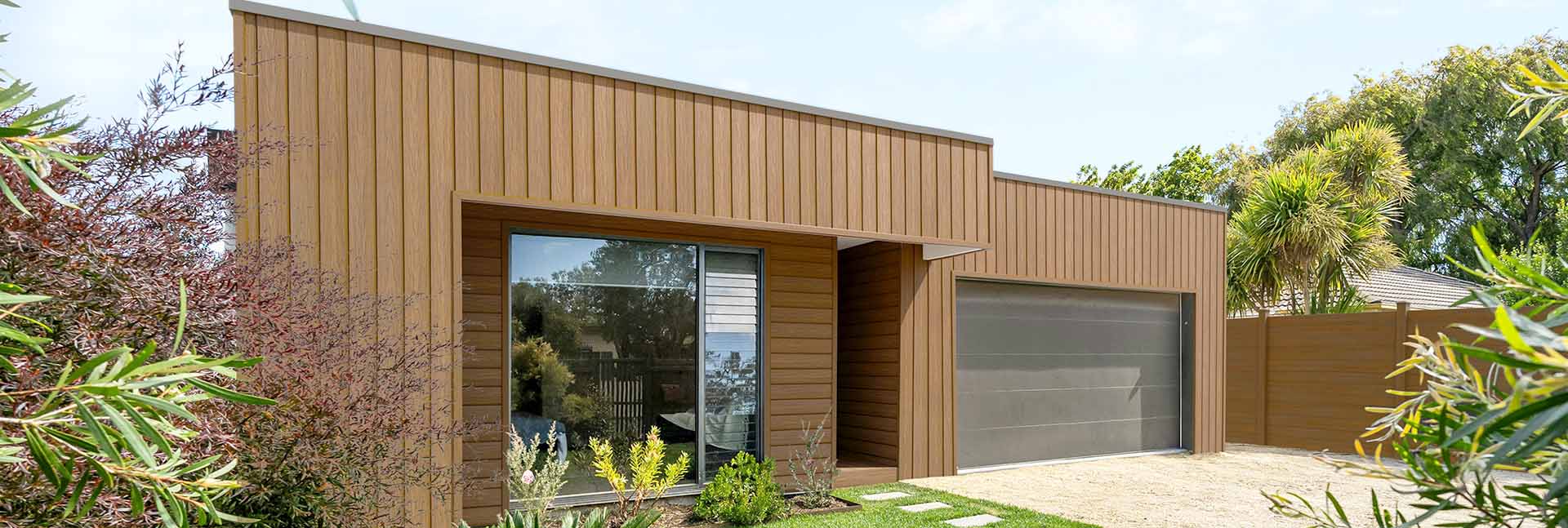
WPC wall panels are composite building materials manufactured by combining wood fibers, recycled plastics, and performance-enhancing additives. The result is a material that delivers the natural appearance of wood while offering improved durability and reduced maintenance requirements.
Compared with traditional wood materials, WPC wall panels provide several practical advantages:
- Moisture resistance
- Weather durability
- Low maintenance requirements
- Resistance to cracking, rotting, and termites
- Design flexibility with various colors and finishes
These characteristics make WPC wall panels increasingly popular for interior wall decoration, exterior cladding systems, commercial spaces, hotels, offices, and residential projects.
As market demand expands, businesses sourcing WPC wall panels often face an important choice: OEM or ODM manufacturing.
What Is OEM Manufacturing?
OEM stands for Original Equipment Manufacturing. In this model, the manufacturer produces products according to the buyer’s specifications. The customer controls the design direction, while the factory handles production.
For WPC wall panels, OEM projects may involve customization of:
- Surface textures
- Dimensions and profiles
- Colors and finishes
- Material formulations
- Packaging and branding
Businesses selecting OEM manufacturing usually have specific product requirements or aim to create exclusive offerings that competitors cannot easily replicate.
Advantages of OEM WPC Wall Panels
Greater Product Differentiation
Customization allows businesses to develop products tailored to their target market. Unique panel designs help strengthen brand identity and improve competitiveness.
More Control Over Specifications
OEM manufacturing gives buyers full control over product details, enabling alignment with regional market needs or project requirements.
Stronger Brand Value
Exclusive product lines help businesses avoid direct price competition and build long-term brand recognition.
Potential Challenges of OEM Manufacturing
OEM production typically requires higher initial investment and longer development timelines. Mold development, testing, and design approval can increase project complexity.
Minimum order quantities may also be higher due to dedicated production setup requirements.
However, for businesses focused on long-term branding and differentiation, these investments can deliver significant strategic value.
What Is ODM Manufacturing?
ODM stands for Original Design Manufacturing. In this model, manufacturers develop product designs internally and offer ready-made solutions that customers can brand and sell under their own company name.
Instead of building products from scratch, businesses select existing WPC wall panel designs and customize selected branding elements.
ODM WPC wall panel programs commonly allow customization of:
- Brand logos
- Packaging design
- Product labels
- Selected color options
Manufacturers like Oakio provide ODM WPC wall panel solutions that help businesses enter the market quickly using tested and pre-developed product systems.
Advantages of ODM WPC Wall Panels
Faster Market Entry
Since products are already developed, businesses can significantly shorten their launch timelines.
Lower Development Costs
ODM eliminates many design and engineering expenses associated with fully customized products.
Reduced Operational Complexity
Technical development is handled by the manufacturer, allowing buyers to focus on sales, marketing, and distribution.
For distributors and new market entrants, ODM provides a practical and efficient sourcing solution.
Potential Challenges of ODM Manufacturing
ODM products generally offer less flexibility than OEM solutions. Businesses may have limited options for modifying panel structures or achieving full exclusivity.
Because multiple buyers may use similar product platforms, differentiation can be more challenging.
Companies aiming for strong brand positioning should carefully evaluate whether ODM limitations align with their long-term strategy.
OEM vs ODM WPC Wall Panels: Key Differences
Although both models deliver quality WPC wall panels, they serve different business objectives.
OEM manufacturing focuses on customization and product ownership. It provides full design control but requires higher investment and longer development cycles.
ODM manufacturing emphasizes efficiency and speed. It reduces costs and simplifies sourcing by offering ready-made product systems.
In practical terms:
- OEM is ideal when exclusivity and brand differentiation are priorities.
- ODM is ideal when speed, efficiency, and lower risk are more important.
Which Option Fits Your Business?
Choosing between OEM and ODM is not only a cost decision—it reflects your overall business strategy.
OEM manufacturing may be suitable if your company wants to build a premium brand, develop exclusive product lines, or meet highly specialized project requirements.
ODM manufacturing may be more appropriate if your business is entering the WPC market, testing demand, or prioritizing faster product availability with lower upfront investment.
Many successful companies also combine both models—using ODM products for market entry while gradually developing OEM solutions for long-term differentiation.
How to Choose the Right WPC Manufacturing Partner
Regardless of the model, selecting the right manufacturing partner is critical for long-term success.
When evaluating suppliers, consider:
- Manufacturing experience and industry expertise
- Quality control systems and testing standards
- Production capacity and delivery reliability
- Customization capabilities
- Technical support and communication efficiency
Oakio, as a professional WPC manufacturer, provides both OEM and ODM wall panel services, supporting global partners with stable production, material consistency, and tailored product development solutions.
Conclusion
OEM and ODM WPC wall panels each offer distinct advantages. OEM provides customization, exclusivity, and stronger brand differentiation, while ODM delivers speed, efficiency, and lower development barriers.
There is no universal solution that fits every business. The right choice depends on your market strategy, budget, product goals, and long-term vision.
By understanding both manufacturing models and working with an experienced supplier like Oakio, businesses can make informed sourcing decisions and position themselves more effectively in the growing WPC wall panel market.
Trending Reading

How to Choose a Reliable Dark WPC Decking Supplier for Walkway Projects
Dark WPC decking is a popular choice for outdoor w...

Top WPC Distributor in the Philippines: Why Oakio Leads the Way
The construction and home improvement market in th...

Wholesale Composite Decking: A Complete Buying Guide
The wholesale composite decking market offers sign...
Composite Decking Distributor vs Manufacturer: What’s the Difference?
When sourcing composite decking for a construction...
How to Evaluate Composite Decking Quality Before Ordering
Choosing a composite decking supplier is an import...

How to Import Composite Decking from China
China has become an important sourcing destination...

What Support Should a Composite Decking Manufacturer Provide?
Choosing a composite decking manufacturer is about...

How to Choose a Reliable Composite Decking Distributor
Choosing a reliable composite decking distributor ...

Why Partner with Oakio for Long-Term WPC Wall Panel Supply
In today’s competitive construction and buil...

How to Become a WPC Wall Panel Distributor
The global construction and renovation industries ...
Trending Reading

What Are the Differences Between the WPC Board and PVC Board?


[2025 Update] How Long Does WPC Decking Last?


