
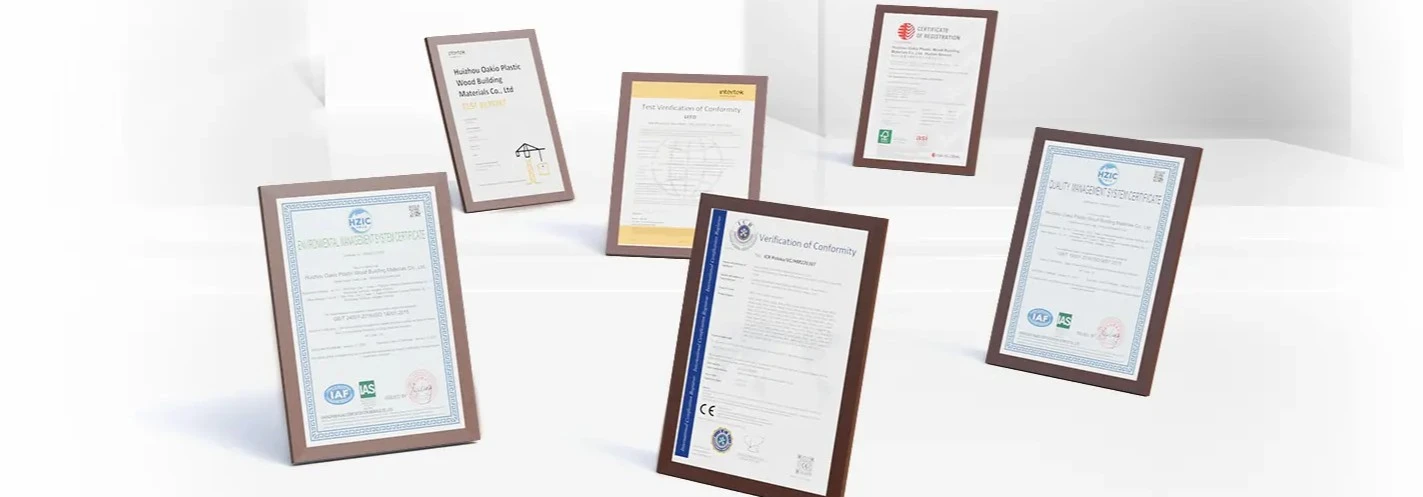
Why Certifications Matter When Buying WPC Wall Panels
As Wood-Plastic Composite (WPC) wall panels become increasingly popular in modern construction, B2B buyers are faced with a wide range of suppliers offering similar-looking products. While factors such as price, design, and lead time often influence decisions, certifications remain one of the most critical yet underestimated criteria.
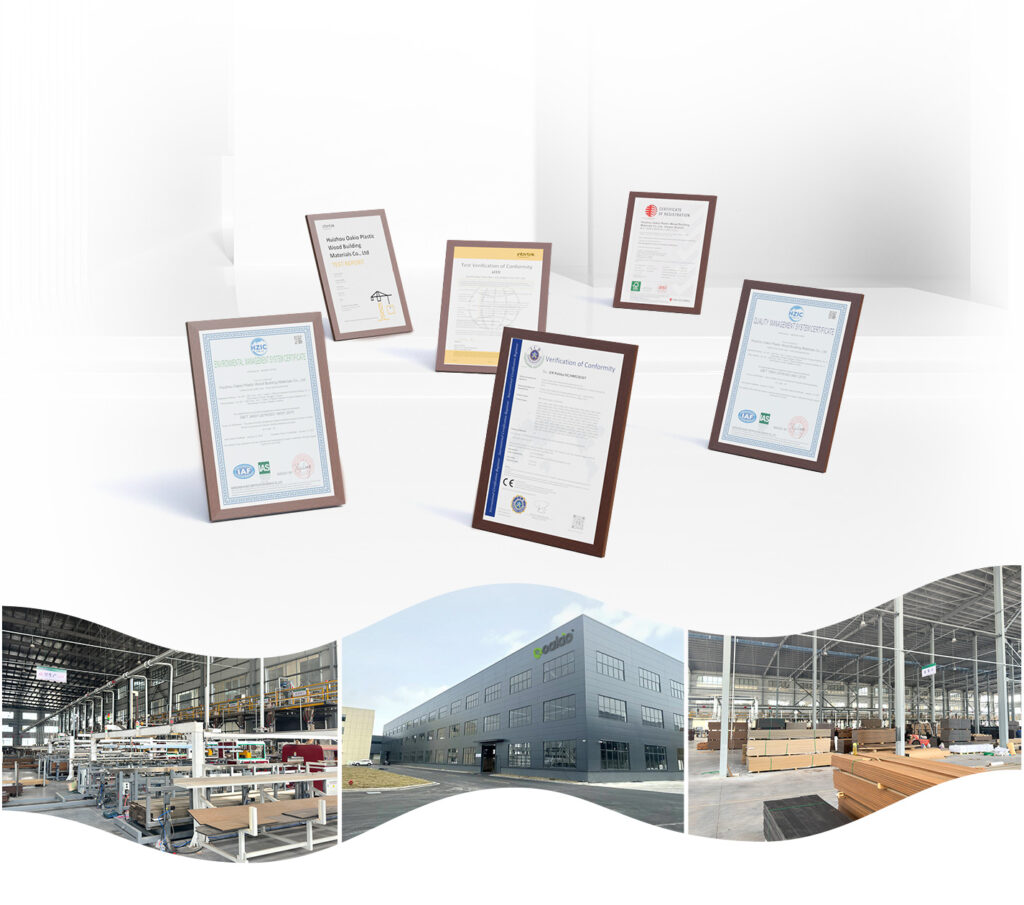
For developers, contractors, and distributors, certifications serve as credible proof that a product meets recognized standards for safety, durability, and environmental responsibility. Choosing certified WPC wall panels is not simply about compliance—it is a strategic decision that directly impacts project quality and long-term performance. As a professional manufacturer, Oakio consistently prioritizes certified production to ensure its products meet the expectations of global markets.
What Are WPC Wall Panel Certifications?
Certifications in the building materials industry are issued by independent third-party organizations after rigorous testing and evaluation. These certifications confirm that a product performs according to specific standards, covering aspects such as mechanical strength, fire resistance, environmental impact, and indoor safety.
Some certifications are mandatory in certain regions, particularly those related to fire safety and environmental compliance. Others are voluntary but highly valued, as they demonstrate a higher level of product quality and reliability. For WPC wall panels, certifications generally address four key dimensions: performance, safety, sustainability, and health. Understanding these categories allows buyers to assess products more accurately and avoid potential risks.
Key Certifications to Look for in WPC Wall Panels
Fire resistance is one of the most important certification areas, especially in commercial and public building projects. Standards such as ASTM E84 and EN13501 evaluate how materials behave in fire conditions, including flame spread and smoke generation. Using certified WPC wall panels helps ensure compliance with building codes while significantly enhancing overall safety.
Environmental certifications have also become increasingly important as sustainability takes center stage in construction. Certifications like FSC, REACH, and RoHS indicate that materials are responsibly sourced and free from hazardous substances. Oakio integrates environmentally conscious practices into its manufacturing processes, enabling its products to meet strict global sustainability requirements.
Durability is another critical factor that certifications help verify. Through standardized testing, certified WPC wall panels are proven to resist impact, moisture, and long-term weather exposure. This ensures that the panels maintain their structural integrity and appearance over time. Oakio supports this with continuous product testing, ensuring consistent performance across different environments.
In addition, health-related certifications focus on indoor air quality, particularly the control of VOC (Volatile Organic Compound) emissions. Certified low-emission products contribute to safer indoor environments, making them especially suitable for residential and commercial interior applications.
Why Certifications Matter for B2B Buyers
For B2B buyers, certifications play a vital role in reducing project uncertainty. Construction projects are often subject to strict regulations, and using certified materials helps ensure compliance, minimizing the risk of delays, penalties, or legal complications.
Beyond compliance, certifications enhance the overall credibility of a project. When certified materials are specified, it signals a commitment to quality and professionalism, which strengthens trust among clients, investors, and regulatory authorities. This is particularly important in high-end or government-funded projects where standards are closely scrutinized.
Certifications also facilitate smoother access to international markets. Since different countries have varying regulatory requirements, certified products can be more easily approved and adopted across regions. Oakio supports its global partners by providing comprehensive certification documentation tailored to different market needs, helping streamline project approvals.
From a financial perspective, certified WPC wall panels offer better long-term value. While the initial investment may be slightly higher, the improved durability and reliability reduce maintenance and replacement costs over time. This translates into lower lifecycle costs and more predictable project outcomes.
How Oakio Ensures Certified Quality
Oakio’s approach to quality is built on a strong foundation of certification and continuous improvement. The company ensures that its WPC wall panels meet international standards through a combination of advanced manufacturing processes, strict quality control, and regular third-party testing.
Every stage of production is carefully monitored to maintain consistency and performance. In addition, Oakio provides transparent documentation and technical support, allowing clients to confidently specify its products for various applications. This commitment to certified quality makes Oakio a reliable partner for B2B buyers seeking high-performance WPC solutions.
Common Mistakes Buyers Make Regarding Certifications
Despite their importance, certifications are sometimes misunderstood or overlooked during the purchasing process. One common mistake is focusing too heavily on price while ignoring compliance requirements, which can lead to significant risks later in the project. Buyers may also accept outdated or incomplete certification documents without proper verification, or fail to confirm whether the certificates are issued by recognized organizations.
Another frequent issue is working with suppliers who lack proper testing credentials. While such products may appear cost-effective initially, they often result in higher long-term costs due to performance issues or regulatory challenges.
How to Verify WPC Wall Panel Certifications
To avoid these risks, buyers should take a proactive approach to verification. This includes requesting official certification documents and test reports, confirming their validity with issuing organizations, and ensuring that the certifications align with specific project requirements. Partnering with a reputable manufacturer like Oakio simplifies this process, as all necessary documentation is readily available and clearly presented.
Conclusion: Certifications as a Strategic Investment
Certifications are far more than formal requirements—they are a key indicator of product quality, safety, and reliability. For B2B buyers, choosing certified WPC wall panels is essential for ensuring compliance, enhancing project credibility, and achieving long-term performance.
With a strong commitment to international standards and continuous quality improvement, Oakio provides certified WPC solutions that meet the demands of modern construction. By prioritizing certified products and working with trusted suppliers, buyers can confidently deliver successful and sustainable projects.
If you are sourcing WPC wall panels for your next project, ensure you choose products backed by reliable certifications. Contact Oakio today to request samples, technical documentation, and certification details tailored to your market.
Trending Reading

Top WPC Distributor in the Philippines: Why Oakio Leads the Way
The construction and home improvement market in th...
Wholesale Composite Decking: A Complete Buying Guide
The wholesale composite decking market offers sign...
Composite Decking Distributor vs Manufacturer: What’s the Difference?
When sourcing composite decking for a construction...
How to Evaluate Composite Decking Quality Before Ordering
Choosing a composite decking supplier is an import...
How to Import Composite Decking from China
China has become an important sourcing destination...

What Support Should a Composite Decking Manufacturer Provide?
Choosing a composite decking manufacturer is about...
How to Choose a Reliable Composite Decking Distributor
Choosing a reliable composite decking distributor ...
Why Partner with Oakio for Long-Term WPC Wall Panel Supply
In today’s competitive construction and buil...

How to Become a WPC Wall Panel Distributor
The global construction and renovation industries ...

2026 WPC Wall Panel Design Trends Buyers Should Know
As architectural design continues to evolve, exter...
Trending Reading

What Are the Differences Between the WPC Board and PVC Board?
[2025 Update] How Long Does WPC Decking Last?


