
How to Avoid Common Sourcing Mistakes When Buying WPC Wall Panels
Wood-plastic composite (WPC) wall panels have become a preferred choice for both residential and commercial projects thanks to their durability, low maintenance, and modern aesthetics. As demand continues to grow, so does the number of suppliers entering the market—making sourcing more complex than ever.
For B2B buyers, contractors, and developers, choosing the wrong supplier or product can lead to delays, unexpected costs, and long-term performance issues. Understanding the most common sourcing mistakes—and how to avoid them—is essential to ensuring project success and protecting your investment.
Not Verifying Supplier Credentials
One of the most common mistakes buyers make is failing to thoroughly vet their suppliers. A professional-looking website or competitive pricing does not always guarantee reliability.
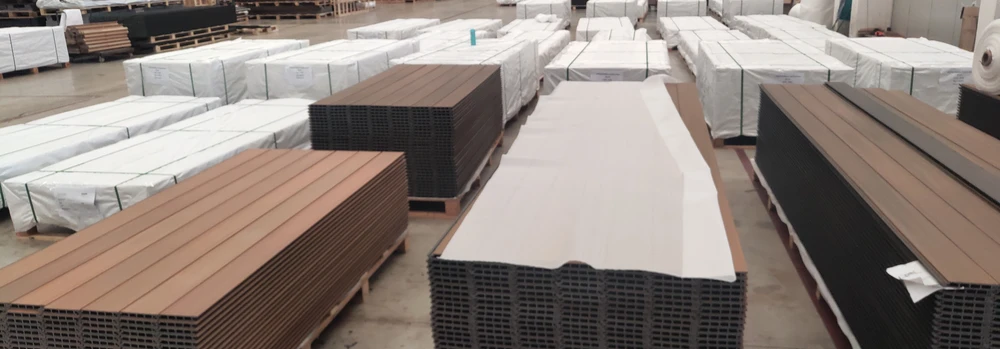
A trustworthy WPC wall panel manufacturer should be able to demonstrate recognized certifications, consistent production capabilities, and a proven export track record. Certifications such as ISO or relevant international testing standards indicate a commitment to quality control. Additionally, reviewing factory capacity and past project experience can help you assess whether the supplier can meet your volume and technical requirements.
Established manufacturers like Oakio, for example, have extensive experience in global markets and can provide documented case studies that demonstrate consistent product performance.
Focusing Only on Price Instead of Value
Price is often a key factor in sourcing decisions, but prioritizing the lowest quote can lead to higher costs in the long run. Low-priced WPC wall panels may use inferior raw materials or lack advanced protective layers, resulting in faster wear, color fading, or structural issues.
Instead of focusing solely on upfront cost, buyers should evaluate the total lifecycle value of the product. High-quality WPC panels with advanced formulations and co-extrusion technology typically offer better resistance to moisture, UV exposure, and daily wear, significantly reducing maintenance and replacement costs over time.
Ignoring Material Composition and Quality
Not all WPC wall panels are created equal. Variations in material composition—such as the ratio of wood fiber to plastic, the type of polymer used, and the quality of additives—can significantly affect performance.
Poorly formulated panels may be prone to cracking, warping, or fading, especially in demanding outdoor environments. High-quality manufacturers maintain strict control over raw material sourcing and formulation to ensure consistency in strength, durability, and appearance.
Understanding these differences is crucial when comparing suppliers, as two products may look similar initially but perform very differently over time.
Overlooking Surface Technology and Finishing
Surface technology plays a critical role in the durability and appearance of WPC wall panels. Traditional WPC products may lack sufficient protection against stains, scratches, and UV exposure, leading to faster degradation.
Co-extruded WPC panels, on the other hand, feature a protective outer layer that enhances resistance to weathering and everyday wear. This technology not only improves performance but also allows for more refined textures and longer-lasting color consistency.
For projects where aesthetics and longevity are equally important, selecting panels with advanced surface protection is a key consideration.
Not Requesting Samples or Testing Performance
Relying solely on product images or datasheets can be misleading. Without physically evaluating samples, buyers risk receiving products that do not meet expectations in terms of finish, strength, or color consistency.
Before placing a bulk order, it is essential to request samples and conduct basic evaluations. Pay attention to surface texture, structural integrity, and uniformity in color. When possible, refer to standardized test results to verify performance claims related to weather resistance, impact strength, and durability.
Neglecting Installation Systems and Accessories
WPC wall panels are not standalone products—they are part of a complete system that includes clips, trims, and supporting structures. Overlooking these components can lead to installation challenges and compromised performance.
Choosing a supplier that provides a fully integrated system ensures compatibility between all elements and simplifies the installation process. It also reduces the risk of errors on-site, saving both time and labor costs.
Ignoring Lead Time and Supply Chain Stability
Delays in material delivery can disrupt project timelines and increase costs. This risk is particularly significant for large-scale or time-sensitive developments.
Evaluating a supplier’s production capacity, inventory management, and logistics capabilities is essential. Reliable manufacturers will provide clear lead times and maintain stable supply chains to support ongoing project needs.
Working with experienced exporters like Oakio can help mitigate these risks, as they typically have established logistics networks and scalable production systems.
Lack of Communication and After-Sales Support
Effective communication is often overlooked during the sourcing process but becomes critical once production begins. Poor responsiveness or lack of technical support can lead to misunderstandings, delays, and costly mistakes.
A professional supplier should offer clear communication, technical guidance, and comprehensive after-sales support. This includes installation advice, warranty coverage, and prompt resolution of any issues that may arise.
Building a long-term partnership with a reliable manufacturer is far more valuable than a one-time transaction based solely on price.
Not Considering Compliance with Local Standards
Different regions have specific building codes and regulatory requirements, including fire ratings, environmental standards, and safety certifications. Failing to ensure compliance can result in project delays or even legal complications.
Before sourcing WPC wall panels, confirm that the products meet all relevant local standards. Reputable manufacturers will be familiar with international requirements and able to provide the necessary documentation.
Overlooking Brand Reputation and Case Studies
A supplier’s track record is one of the most reliable indicators of product quality and service. Reviewing completed projects and client feedback provides valuable insight into real-world performance.
Case studies demonstrate how WPC wall panels perform in different environments and applications, helping buyers make more informed decisions. Established brands like Oakio showcase a wide range of global projects, reinforcing their credibility and reliability.
Conclusion
Sourcing WPC wall panels is a strategic decision that goes beyond comparing prices. By avoiding common mistakes—such as neglecting supplier verification, overlooking material quality, or ignoring long-term value—buyers can ensure better project outcomes and stronger returns on investment.
Taking a comprehensive approach to sourcing, combined with partnering with experienced and reputable manufacturers, will help you achieve durable, high-performance results that stand the test of time.
Trending Reading

Top WPC Distributor in the Philippines: Why Oakio Leads the Way
The construction and home improvement market in th...

Wholesale Composite Decking: A Complete Buying Guide
The wholesale composite decking market offers sign...
Composite Decking Distributor vs Manufacturer: What’s the Difference?
When sourcing composite decking for a construction...
How to Evaluate Composite Decking Quality Before Ordering
Choosing a composite decking supplier is an import...
How to Import Composite Decking from China
China has become an important sourcing destination...

What Support Should a Composite Decking Manufacturer Provide?
Choosing a composite decking manufacturer is about...
How to Choose a Reliable Composite Decking Distributor
Choosing a reliable composite decking distributor ...

Why Partner with Oakio for Long-Term WPC Wall Panel Supply
In today’s competitive construction and buil...

How to Become a WPC Wall Panel Distributor
The global construction and renovation industries ...

2026 WPC Wall Panel Design Trends Buyers Should Know
As architectural design continues to evolve, exter...
Trending Reading

What Are the Differences Between the WPC Board and PVC Board?


[2025 Update] How Long Does WPC Decking Last?


