

WPC Wall Panel Buying Guide for Importers and Distributors
Wood-Plastic Composite (WPC) wall panels have become a popular choice in both residential and commercial construction thanks to their durability, low maintenance, and modern aesthetic. As global demand continues to grow, importers and distributors are presented with significant opportunities—but also face challenges in sourcing the right products and suppliers.
This guide is designed to help B2B buyers navigate the complexities of purchasing WPC wall panels, from understanding product types to evaluating manufacturers and managing logistics. With the right approach, you can minimize risks, control costs, and build a competitive product portfolio.
Understanding WPC Wall Panels
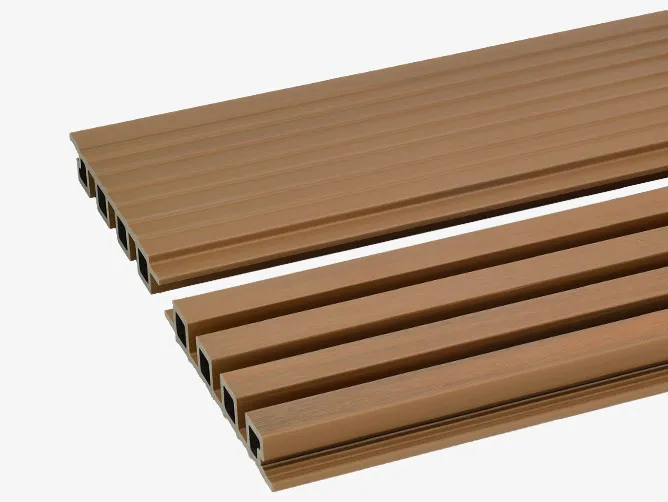
WPC wall panels are made from a combination of wood fibers, plastic polymers, and performance-enhancing additives. This composition creates a material that offers the natural appearance of wood with enhanced resistance to moisture, insects, and weathering.
There are several types of WPC wall panels to consider. Indoor panels are typically designed for decorative purposes with a focus on aesthetics, while outdoor panels are engineered for durability and weather resistance. Structurally, panels may be hollow or solid, each offering different advantages in terms of weight, strength, and cost. Another key distinction is between traditional WPC and co-extruded WPC panels, the latter featuring a protective outer layer that improves resistance to fading, stains, and scratches.
Identifying Your Target Market Needs
Before selecting products, it is essential to understand the specific requirements of your target market. Climate plays a major role—regions with high humidity, strong UV exposure, or extreme temperature fluctuations require higher-performance panels.
Application scenarios also influence product selection. Residential projects may prioritize aesthetics and affordability, while commercial or hospitality projects often demand higher durability and fire resistance. Additionally, local design trends, preferred colors, and surface textures should align with market expectations.
Importers must also ensure compliance with local building codes and regulations, which may include fire ratings, environmental standards, or specific certifications.
How to Evaluate WPC Wall Panel Quality
Product quality is one of the most critical factors affecting your long-term success as a distributor.
First, consider the material composition. A well-balanced ratio of wood fiber to plastic ensures both strength and stability. High-quality additives, such as UV stabilizers and anti-mold agents, further enhance performance.
Key performance indicators include water absorption, UV resistance, impact resistance, and dimensional stability. For outdoor applications, color stability and resistance to fading are especially important.
Surface technology is another major differentiator. Co-extruded panels with a thicker protective layer typically offer better resistance to scratches, stains, and weathering. This directly impacts product lifespan and customer satisfaction.
Choosing a Reliable WPC Manufacturer
Selecting the right manufacturer is just as important as choosing the right product.
Look for suppliers with proven industry experience and a strong export track record. Manufacturers that have completed international projects are generally more familiar with global quality standards and logistics requirements.
Certifications and third-party testing reports—such as ISO certifications or reports from organizations like SGS or Intertek—are essential indicators of product reliability. They provide assurance that the panels meet required performance standards.
Production capacity is another key consideration. A well-equipped factory with automated production lines is more likely to deliver consistent quality and handle large-volume orders within agreed timelines.
Customization Options for Distributors
For distributors looking to differentiate themselves in competitive markets, customization can be a major advantage.
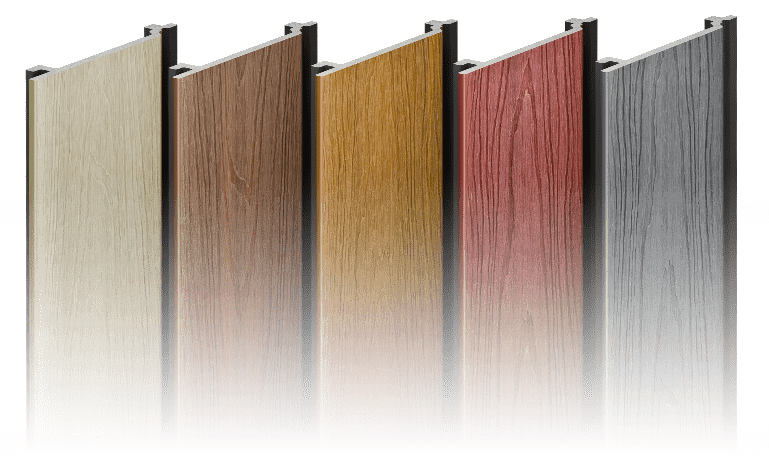
Many manufacturers offer a range of options, including custom colors, wood grain textures, and surface finishes. Panel dimensions and profiles can also be tailored to suit specific applications or regional preferences.
OEM and ODM services allow distributors to build their own brand identity, while customized packaging can improve logistics efficiency and enhance product presentation.
Understanding Pricing and Cost Structure
While price is always a key factor, focusing solely on the lowest cost can lead to long-term issues.
A proper cost analysis should include not only the product price but also shipping fees, import duties, and the cost of installation accessories. Lower-quality panels may result in higher maintenance costs, customer complaints, or even product returns.
Successful importers focus on value rather than price alone—balancing upfront costs with durability, performance, and brand reputation.
Logistics and Supply Chain Considerations
Efficient logistics are essential for maintaining profitability and customer satisfaction.
Proper packaging helps prevent damage during international shipping, while optimized container loading can reduce transportation costs. Planning lead times carefully ensures that inventory levels remain stable and project deadlines are met.
Understanding trade terms such as FOB and CIF is also important for managing risk and cost responsibilities between buyer and supplier.
Quality Control and Inspection
Implementing a robust quality control process is crucial when sourcing from overseas manufacturers.
Start with sample evaluation to verify product specifications and performance. During production, in-line inspections can help identify issues early. A final pre-shipment inspection ensures that the goods meet agreed standards before they leave the factory.
Many importers also work with third-party inspection agencies to provide an additional layer of quality assurance.
Installation and After-Sales Support
Reliable suppliers should provide comprehensive installation guides and compatible accessories, ensuring that end users can install the panels correctly.
Technical support is particularly valuable for complex projects or new markets. In addition, clear warranty policies and an efficient claims process help build trust with distributors and end customers alike.
Common Mistakes to Avoid
Importers and distributors often encounter similar challenges when sourcing WPC wall panels. These include choosing suppliers based solely on price, overlooking certifications, and failing to test samples before placing bulk orders.
Other common mistakes include ignoring climate compatibility, underestimating logistics complexity, and not verifying the manufacturer’s production capacity.
Avoiding these pitfalls can significantly reduce risks and improve overall business performance.
Building Long-Term Supplier Partnerships
Establishing a strong relationship with a reliable manufacturer offers long-term advantages. Consistent quality, stable supply, and better communication can help you scale your business more effectively.
Strategic partnerships also open the door to better pricing, priority production, and access to new product innovations—giving you a competitive edge in your market.
Conclusion
Sourcing WPC wall panels requires a comprehensive approach that goes beyond price comparison. By understanding product types, evaluating quality, selecting reliable manufacturers, and managing logistics effectively, importers and distributors can build a strong and sustainable business.
In a competitive global market, the key to success lies in choosing partners who prioritize quality, innovation, and long-term value.
Trending Reading

Top WPC Distributor in the Philippines: Why Oakio Leads the Way
The construction and home improvement market in th...

Wholesale Composite Decking: A Complete Buying Guide
The wholesale composite decking market offers sign...

Composite Decking Distributor vs Manufacturer: What’s the Difference?
When sourcing composite decking for a construction...
How to Evaluate Composite Decking Quality Before Ordering
Choosing a composite decking supplier is an import...

How to Import Composite Decking from China
China has become an important sourcing destination...

What Support Should a Composite Decking Manufacturer Provide?
Choosing a composite decking manufacturer is about...

How to Choose a Reliable Composite Decking Distributor
Choosing a reliable composite decking distributor ...

Why Partner with Oakio for Long-Term WPC Wall Panel Supply
In today’s competitive construction and buil...

How to Become a WPC Wall Panel Distributor
The global construction and renovation industries ...

2026 WPC Wall Panel Design Trends Buyers Should Know
As architectural design continues to evolve, exter...
Trending Reading

What Are the Differences Between the WPC Board and PVC Board?


[2025 Update] How Long Does WPC Decking Last?


