

How to Import WPC Wall Panels from China: Step-by-Step Guide
As global demand for modern and low-maintenance building materials continues to rise, WPC wall panels have become increasingly popular in residential, commercial, and hospitality projects. Their combination of durability, aesthetic appeal, and weather resistance makes them a preferred alternative to traditional wood and metal wall cladding.
For importers, distributors, wholesalers, and contractors, China has become one of the world’s leading sourcing destinations for WPC wall panels. Chinese manufacturers offer competitive pricing, mature production capabilities, advanced technologies, and extensive customization options for global buyers.
However, importing building materials from overseas involves more than simply placing an order. Supplier selection, quality control, shipping arrangements, and customs procedures all play important roles in ensuring a successful import process.
This guide explains how to import WPC wall panels from China step by step, helping buyers reduce risks and build a more efficient sourcing strategy.
What Are WPC Wall Panels?
WPC, or Wood-Plastic Composite, is a material made from a blend of wood fibers, recycled plastics, and performance-enhancing additives. It combines the natural appearance of wood with the strength and durability of engineered materials.
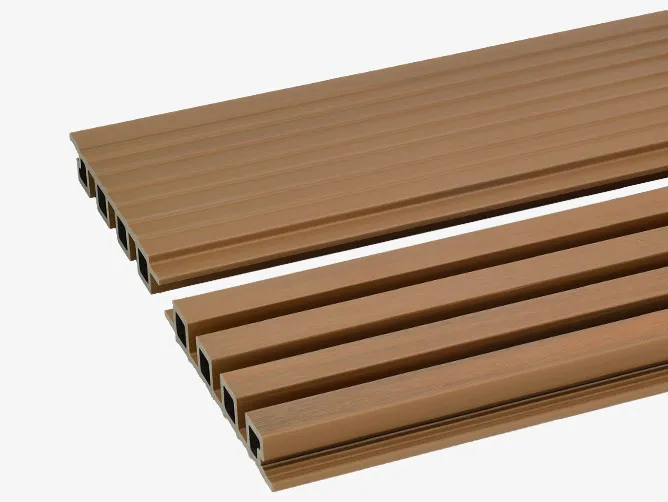
WPC wall panels are widely used for exterior facades, interior decoration, ceilings, feature walls, and commercial spaces. Compared with traditional materials, they offer better moisture resistance, lower maintenance requirements, and longer service life.
Outdoor WPC wall panels are specifically designed to withstand UV exposure, humidity, temperature fluctuations, and harsh weather conditions, while indoor panels focus more on decorative finishes and ease of maintenance.
Because of their versatility and performance advantages, WPC wall panels are now commonly used in villas, apartments, hotels, retail spaces, offices, and public projects worldwide.
Why Import WPC Wall Panels from China?
China has established itself as a major manufacturing center for WPC products thanks to its mature supply chain, advanced production technologies, and strong export infrastructure.
One of the biggest advantages of importing from China is cost efficiency. Large-scale manufacturing and integrated supply systems allow Chinese factories to offer competitive prices while maintaining stable product quality. For distributors and wholesalers, this can significantly improve profit margins and market competitiveness.
Chinese manufacturers also offer a wide variety of product styles, colors, textures, and installation systems. Whether buyers need co-extruded outdoor panels, modern slatted wall systems, or customized decorative finishes, Chinese suppliers can usually provide flexible solutions for different market needs.
Another important advantage is customization. Many WPC factories in China support OEM and ODM services, allowing importers to customize dimensions, colors, packaging, branding, and surface finishes according to local market preferences.
In addition, experienced exporters are already familiar with international shipping procedures, container loading standards, and customs documentation requirements, which helps simplify the importing process for overseas buyers.
How to Import WPC Wall Panels from China
Step 1: Define Your Product Requirements
Before contacting suppliers, it is important to clearly define your product requirements and target market needs. Buyers should first determine whether the wall panels will be used for indoor or outdoor applications, as this affects material formulations, performance standards, and pricing.
You should also consider factors such as local climate conditions, popular design trends, project requirements, and customer preferences. Product specifications including panel dimensions, thickness, surface textures, and installation systems should be confirmed as early as possible.
Clear specifications help suppliers provide accurate quotations and reduce misunderstandings during production. They also make it easier to compare different manufacturers fairly.
Step 2: Find Reliable WPC Wall Panel Suppliers
Choosing the right supplier is one of the most important parts of importing WPC wall panels from China. While there are many manufacturers in the market, product quality and service standards can vary significantly.
Most buyers search for suppliers through Google, international trade exhibitions, B2B platforms, or industry referrals. However, finding a supplier is only the first step. Careful evaluation is necessary before making any purchasing decisions.
A reliable manufacturer should have stable production capacity, export experience, professional communication, and clear quality control systems. Buyers should also review factory certifications, testing reports, and project references whenever possible.
It is important to ask detailed questions about raw materials, co-extrusion technology, lead times, packaging methods, and customization capabilities. Professional suppliers are usually transparent about their production processes and willing to provide technical information.
Step 3: Request Samples Before Ordering
Sample evaluation is an essential part of the importing process. Even if a supplier’s catalog or website looks impressive, physical samples are necessary to verify actual product quality.
When reviewing samples, buyers should pay attention to surface consistency, texture quality, structural strength, color accuracy, and finishing details. For outdoor applications, it is especially important to evaluate the durability of the co-extrusion layer and the overall weather resistance of the product.
Comparing samples from multiple suppliers can help buyers better understand quality differences and pricing levels within the market.
Although sample shipping costs may seem expensive initially, they are minor compared with the financial risks of placing a large order with an unsuitable supplier.
Step 4: Understand Pricing and Trade Terms
WPC wall panel quotations often include multiple cost components beyond the product price itself. Buyers should carefully review whether mold fees, packaging costs, accessories, and shipping charges are included in the quotation.
Understanding international trade terms is also important. FOB, CIF, and EXW pricing structures determine which party is responsible for transportation, insurance, and shipping arrangements at different stages of the process.
Many first-time importers focus only on product pricing while underestimating logistics and customs costs. A lower product price does not always mean lower total importing costs.
Carefully reviewing all expenses in advance helps buyers avoid unexpected charges later.
Step 5: Confirm Production Details
Once a supplier is selected, all production details should be confirmed clearly before manufacturing begins. This includes dimensions, colors, surface finishes, packaging methods, logos, accessories, and labeling requirements.
It is strongly recommended to keep all specifications documented in written form to avoid misunderstandings during production.
Buyers should also confirm manufacturing lead times and shipment schedules, especially during busy export seasons when factory production capacity may become limited.
For larger orders, many importers arrange third-party inspections before shipment. Pre-shipment inspections can help identify quality issues early and reduce the risk of receiving defective products.
Step 6: Arrange Shipping and Logistics
Because WPC wall panels are relatively large and heavy, sea freight is usually the most economical transportation method for international shipments.
Depending on order volume, buyers may choose either Full Container Load (FCL) or Less than Container Load (LCL) shipping. For larger orders, FCL shipping generally offers better cost efficiency and improved cargo protection during transportation.
Packaging quality is also important during shipping. Proper pallet systems, corner protection, and waterproof packaging can help reduce the risk of damage during long-distance transportation.
The supplier should provide all necessary shipping documents, including the commercial invoice, packing list, bill of lading, and certificate of origin.
Step 7: Handle Customs Clearance
Customs regulations vary between countries, so buyers should understand local import requirements before the shipment arrives.
Import duties, taxes, HS codes, and product compliance standards should all be reviewed in advance. In many cases, working with an experienced freight forwarder or customs broker can simplify the clearance process and reduce the risk of delays.
Proper documentation is critical for smooth customs clearance. Missing or incorrect paperwork can result in additional costs, shipment delays, or customs penalties.
Step 8: Inspect the Goods Upon Arrival
After the shipment arrives, buyers should inspect the products carefully before distribution or installation. Quantities, packaging conditions, colors, and surface quality should all be checked against the original order specifications.
If any damage or discrepancies are found, they should be documented immediately with photos and communicated to the supplier as soon as possible.
Maintaining professional communication and long-term cooperation with suppliers is important for resolving issues efficiently and building stronger business relationships in the future.
Common Mistakes to Avoid
Many importing problems can be avoided through proper planning and supplier evaluation. One of the most common mistakes is choosing suppliers based only on low pricing without properly evaluating product quality or manufacturing capabilities.
Other common issues include skipping sample inspections, underestimating shipping costs, ignoring testing reports, and failing to conduct pre-shipment quality checks.
Successful importing requires balancing cost, quality, logistics, and supplier reliability rather than focusing on price alone.
Why Work with an Experienced WPC Manufacturer?
Working with an experienced manufacturer can make the importing process far more efficient and reliable. Established WPC suppliers usually offer stronger quality control systems, better customization capabilities, and more professional export support.
For distributors and contractors, long-term partnerships with reliable manufacturers often result in more stable product quality, faster communication, and improved pricing advantages over time.
As an experienced WPC manufacturer, Oakio provides a wide range of high-performance WPC wall panel solutions for global markets. With advanced co-extrusion technology, strict quality management, and extensive export experience, Oakio supports distributors, wholesalers, and project contractors worldwide with durable and customizable WPC products.
Conclusion
Importing WPC wall panels from China can be a highly profitable opportunity when managed correctly. By selecting reliable suppliers, carefully evaluating product quality, understanding shipping procedures, and maintaining clear communication, buyers can reduce risks and improve sourcing efficiency.
China’s mature WPC manufacturing industry continues to provide global buyers with innovative, cost-effective, and customizable wall panel solutions for a wide range of residential and commercial applications.
For importers looking to build long-term success in the WPC market, working with an experienced manufacturing partner is one of the most important steps toward achieving consistent quality and reliable supply.
Trending Reading

Top WPC Distributor in the Philippines: Why Oakio Leads the Way
The construction and home improvement market in th...

Wholesale Composite Decking: A Complete Buying Guide
The wholesale composite decking market offers sign...
Composite Decking Distributor vs Manufacturer: What’s the Difference?
When sourcing composite decking for a construction...
How to Evaluate Composite Decking Quality Before Ordering
Choosing a composite decking supplier is an import...

How to Import Composite Decking from China
China has become an important sourcing destination...

What Support Should a Composite Decking Manufacturer Provide?
Choosing a composite decking manufacturer is about...

How to Choose a Reliable Composite Decking Distributor
Choosing a reliable composite decking distributor ...

Why Partner with Oakio for Long-Term WPC Wall Panel Supply
In today’s competitive construction and buil...

How to Become a WPC Wall Panel Distributor
The global construction and renovation industries ...

2026 WPC Wall Panel Design Trends Buyers Should Know
As architectural design continues to evolve, exter...
Trending Reading

What Are the Differences Between the WPC Board and PVC Board?


[2025 Update] How Long Does WPC Decking Last?


