
How to Reduce Shipping Damage for WPC Wall Panel Orders
As global demand for WPC wall panels continues to grow, international shipping has become an essential part of the supply chain for distributors, importers, contractors, and project developers. While Wood-Plastic Composite wall panels are known for their durability and stability, improper transportation and packaging can still lead to costly shipping damage.
Broken corners, scratched surfaces, warped panels, and moisture exposure during transit can result in financial losses, project delays, and customer complaints. For buyers importing large quantities of WPC wall panels from overseas suppliers, minimizing shipping damage is critical for maintaining product quality and protecting profit margins.
This article explains the most common causes of shipping damage and outlines practical strategies to help reduce risks during transportation, loading, unloading, and storage.
Common Causes of Shipping Damage for WPC Wall Panels
Before implementing solutions, it is important to understand where shipping damage usually occurs.
One of the most common issues is inadequate packaging. Thin cartons, insufficient corner protection, or unstable pallets can leave panels vulnerable to impact during handling. Even durable WPC products can suffer cosmetic or structural damage if they are not properly protected.
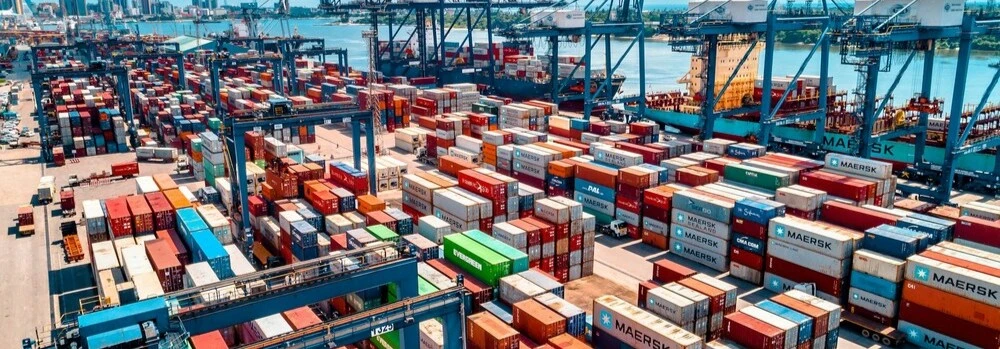
Another major cause is rough handling during loading and unloading. Forklift collisions, dropped pallets, and improper stacking can damage panel edges and surfaces. Long-distance sea freight also introduces vibration and movement inside containers, especially when cargo is not properly secured.
Moisture exposure is another concern during international transportation. Ocean shipping containers may experience humidity fluctuations and condensation, especially during long transit periods. Without sufficient moisture protection, packaging materials may weaken and product surfaces may become affected.
Improper stacking methods can also create problems. Excessive weight placed on top of panels or uneven stacking inside containers may cause deformation or pressure damage.
Understanding these risks allows importers and manufacturers to take preventive measures before shipment begins.
Use Strong and Protective Export Packaging
Packaging is the first line of defense against shipping damage. High-quality export packaging significantly reduces the risk of impact, moisture exposure, and movement during transportation.
WPC wall panels should be packed using reinforced cartons or durable protective wrapping materials designed for export conditions. Edge protectors and corner guards are especially important because corners are the most vulnerable parts during handling.
Many manufacturers also use foam layers or cushioning materials between panels to reduce friction and surface scratches during transportation. This is particularly important for decorative wall panels with embossed or premium finishes.
Palletization also plays a major role in cargo protection. Stable pallets help prevent shifting and improve forklift handling efficiency. Export pallets should be securely strapped and wrapped with stretch film to maintain stability throughout the shipping process.
For sea freight shipments, waterproof protection is highly recommended. Plastic film wrapping, moisture-resistant covers, and desiccant bags can help minimize humidity-related risks inside containers. This additional layer of protection becomes especially important for long-distance international shipments.
Optimize Container Loading Procedures
Even the best packaging cannot fully prevent damage if cargo is loaded incorrectly inside the container.
Efficient container loading starts with proper space planning. Empty gaps inside containers allow cargo to move during transit, increasing the risk of collision and vibration damage. Panels should be arranged tightly and evenly to minimize movement.
Weight distribution should also be balanced throughout the container. Uneven loading can create pressure points and instability during transportation.
Correct stacking techniques are essential for protecting WPC wall panels. Heavy products should never be stacked directly on top of decorative wall panels without proper support. Excessive pressure may cause bending or surface deformation.
To further improve stability, cargo securing materials such as straps, airbags, wooden blocking systems, or anti-slip mats can be used to reduce movement during sea transportation.
Professional loading procedures can significantly reduce the likelihood of shipping-related claims and product loss.
Work with Experienced Logistics Partners
Reliable freight forwarders and shipping companies play an important role in protecting WPC wall panel shipments.
Experienced logistics providers understand how to handle construction materials and oversized cargo properly. They are more familiar with container loading requirements, transportation risks, and international shipping procedures.
Before loading begins, containers should always be inspected carefully. Damaged or leaking containers can expose products to water and moisture during ocean transport. A clean, dry, and structurally sound container is essential for protecting WPC wall panels.
Shipping insurance is another important consideration for international buyers. Although preventive measures help reduce risks, unexpected accidents can still occur during transportation. Cargo insurance helps minimize financial losses in the event of severe damage or shipping incidents.
Importers working with professional logistics teams often experience fewer transportation problems and smoother delivery processes.
Conduct Pre-Shipment Inspections
Pre-shipment quality inspections help identify problems before products leave the factory.
Manufacturers should inspect WPC wall panels for surface defects, dimensional inconsistencies, or structural issues before packaging. Shipping damaged or defective products can create confusion when evaluating transportation claims later.
Packaging quality should also be tested before shipment. Strong export packaging must withstand stacking pressure, handling impacts, and long-distance transportation conditions.
Many professional suppliers conduct packaging compression tests or drop tests to verify packaging durability.
It is also helpful to document the loading process with photos and videos. Visual documentation provides evidence of packaging conditions and loading procedures before shipment. These records can be useful for insurance claims, customer communication, and dispute resolution if damage occurs during transit.
Best Practices When Receiving WPC Wall Panel Shipments
Reducing shipping damage does not end once the container arrives at its destination. Proper unloading and storage procedures are equally important.
Importers should inspect cargo immediately after arrival and check the external condition of pallets and packaging before unloading. Visible damage should be documented promptly.
Forklifts and unloading equipment should be operated carefully to avoid accidental impacts or dragging panels across rough surfaces. Improper unloading practices can easily damage corners and decorative finishes.
After unloading, WPC wall panels should be stored in dry, ventilated indoor areas before installation. Panels should remain flat and properly supported to avoid deformation. Prolonged exposure to moisture or direct sunlight before installation should also be avoided.
Careful post-delivery handling helps preserve product quality and reduces unnecessary replacement costs.
How Reliable Manufacturers Help Minimize Shipping Damage
Experienced WPC manufacturers understand that shipping protection is an important part of product quality.
Professional suppliers often provide customized export packaging solutions based on shipment size, transportation distance, and customer requirements. Some projects may require additional protective materials or reinforced pallet systems for added security.
Manufacturers with extensive export experience are also more familiar with international shipping standards and container loading procedures. Their logistics coordination capabilities can help reduce transportation risks and improve delivery reliability.
Consistent product quality also contributes to better shipping performance. High-density, structurally stable WPC wall panels are generally more resistant to impact and handling stress during transportation.
Choosing a reliable manufacturer is therefore an important step in reducing shipping damage and ensuring successful project delivery.
Conclusion
Shipping damage can create serious challenges for WPC wall panel importers, distributors, and contractors. However, many transportation risks can be significantly reduced through proper packaging, professional loading procedures, moisture protection, and careful logistics management.
Strong export packaging, optimized container loading, experienced freight partners, and thorough inspections all contribute to safer international transportation. Proper unloading and storage practices after delivery are equally important for maintaining product quality.
For businesses importing WPC wall panels internationally, investing in shipping protection is not just about avoiding damage. It is also about improving customer satisfaction, reducing replacement costs, and ensuring smooth project execution from factory to installation site.
Trending Reading

How to Choose a Reliable Dark WPC Decking Supplier for Walkway Projects
Dark WPC decking is a popular choice for outdoor w...

Top WPC Distributor in the Philippines: Why Oakio Leads the Way
The construction and home improvement market in th...

Wholesale Composite Decking: A Complete Buying Guide
The wholesale composite decking market offers sign...

Composite Decking Distributor vs Manufacturer: What’s the Difference?
When sourcing composite decking for a construction...
How to Evaluate Composite Decking Quality Before Ordering
Choosing a composite decking supplier is an import...

How to Import Composite Decking from China
China has become an important sourcing destination...

What Support Should a Composite Decking Manufacturer Provide?
Choosing a composite decking manufacturer is about...

How to Choose a Reliable Composite Decking Distributor
Choosing a reliable composite decking distributor ...

Why Partner with Oakio for Long-Term WPC Wall Panel Supply
In today’s competitive construction and buil...

How to Become a WPC Wall Panel Distributor
The global construction and renovation industries ...
Trending Reading

What Are the Differences Between the WPC Board and PVC Board?


[2025 Update] How Long Does WPC Decking Last?


