
WPC Wall Panel MOQ, Lead Time, and Shipping: What Buyers Should Know
When importing WPC wall panels from overseas suppliers, pricing and product quality are only part of the decision-making process. For distributors, contractors, wholesalers, and project developers, understanding MOQ, production lead time, and shipping logistics is equally important.
Many sourcing problems occur not because of the product itself, but because buyers underestimate production schedules, misunderstand shipping arrangements, or overlook hidden logistics costs. Without proper planning, even a high-quality order can result in project delays, inventory shortages, or unnecessary expenses.
Whether you are sourcing WPC wall panels for the first time or looking to improve your purchasing process, understanding these key factors can help you make better decisions and avoid common importing mistakes.
What Does MOQ Mean in the WPC Wall Panel Industry?
MOQ, or Minimum Order Quantity, refers to the minimum amount of product a manufacturer requires for a single order. In the WPC wall panel industry, MOQ exists because production involves raw material preparation, machine setup, labor allocation, and packaging arrangements. Manufacturers need a certain production volume to maintain efficiency and keep costs under control.
The MOQ for WPC wall panels can vary depending on the supplier, product type, and customization requirements. Standard products with existing molds and regular colors usually have more flexible order quantities. In contrast, customized products often require higher MOQ because additional preparation is involved.
For example, custom colors, embossing patterns, private label packaging, or new profile designs may require production adjustments and extra material preparation. From the manufacturer’s perspective, larger order quantities help offset these additional costs.
For buyers, understanding MOQ early in the sourcing process is important because it affects budgeting, inventory planning, and container loading strategy.
How Buyers Can Handle MOQ More Efficiently
Many buyers assume MOQ is fixed and non-negotiable, but experienced suppliers are often willing to provide flexible solutions depending on the situation.
One of the easiest ways to reduce MOQ pressure is to begin with standard products instead of fully customized options. Choosing existing colors and profiles can significantly lower minimum order requirements while also shortening production lead time.
Another practical approach is combining multiple products in one shipment. Many WPC manufacturers produce decking, wall cladding, fencing, and other outdoor products simultaneously. Consolidating different product categories into one container can help buyers optimize shipping space while meeting factory order requirements more efficiently.
Long-term cooperation also plays a role. Suppliers are generally more willing to support smaller trial orders when they see future business potential and stable purchasing plans.
Understanding WPC Wall Panel Lead Time
Lead time refers to the total amount of time required for a manufacturer to complete production and prepare the goods for shipment. Many buyers mistakenly assume lead time only refers to factory production days, but the actual process is more complex.
A complete WPC wall panel order usually includes raw material preparation, extrusion production, surface treatment, quality inspection, packaging, container loading, and export documentation. Each step requires coordination, especially for large or customized orders.
For standard products, production lead time is often around two to four weeks, depending on order volume and factory scheduling. However, customized products generally require more time because manufacturers may need to adjust formulas, prepare samples, confirm packaging details, or arrange mold testing before mass production begins.
Seasonal demand can also affect production schedules. Before peak construction seasons or major international exhibitions, many factories experience heavy order volumes, which may extend production timelines significantly.
Because of this, experienced importers usually place orders well in advance rather than waiting until project deadlines become urgent.
Factors That Can Affect Production Time
Several factors can influence the lead time of WPC wall panel orders. Large-volume purchases naturally require longer production schedules, especially if multiple product specifications are involved. Product customization is another major factor, since custom colors, textures, or branded packaging increase manufacturing complexity.
Raw material availability can also impact production planning. If certain additives, pigments, or packaging materials are temporarily unavailable, production may be delayed until materials arrive.
Communication efficiency between buyers and suppliers is equally important. Delayed sample approval, specification changes during production, or incomplete product information can all slow down manufacturing progress.
To minimize delays, buyers should finalize specifications as early as possible and maintain clear communication throughout the entire order process.
Common Shipping Methods for WPC Wall Panels
Since WPC wall panels are relatively large and heavy building materials, sea freight remains the most common transportation method for international shipments. It offers the most cost-effective solution for bulk orders and large project quantities.
Buyers generally choose between Full Container Load (FCL) and Less than Container Load (LCL) shipping. FCL shipping is usually preferred because it provides better cargo protection and lower shipping costs per unit. Since the entire container belongs to one buyer, there is also less handling during transportation, reducing the risk of damage.
LCL shipping can be suitable for small trial orders, but it often results in higher per-unit freight costs and additional handling charges because the container space is shared with other shipments.
For certain regions, rail freight may provide a balance between shipping speed and transportation cost. Air freight, on the other hand, is rarely used for bulk WPC wall panel shipments because transportation expenses are typically too high. It is mainly reserved for urgent samples or small accessories.
Packaging and Container Loading Considerations
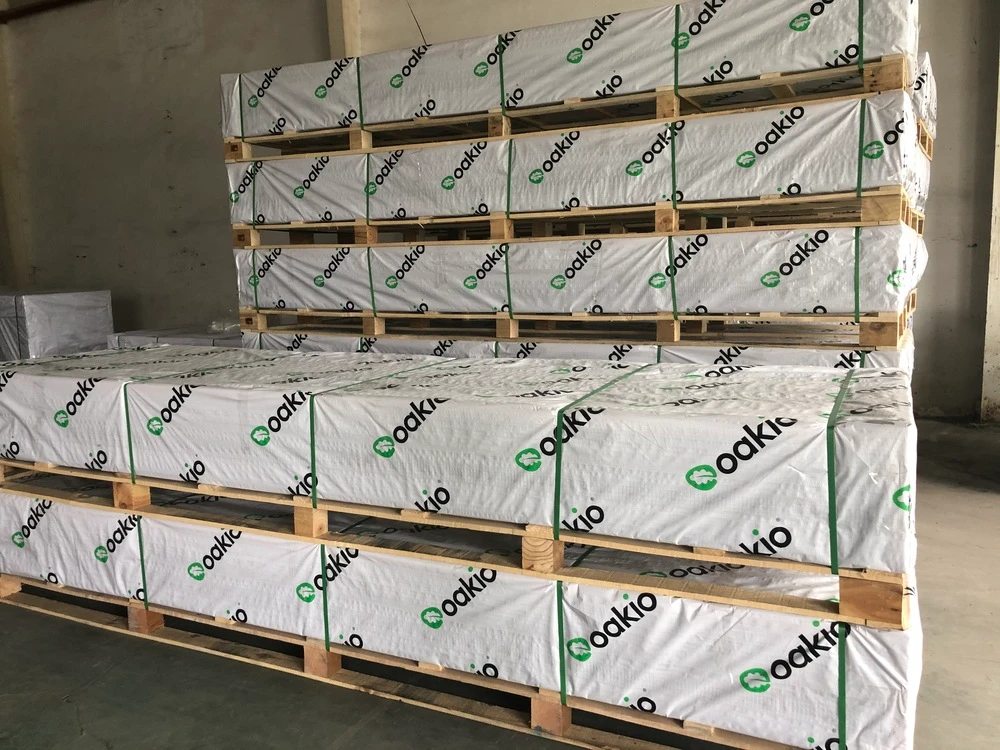
Packaging plays a critical role in protecting WPC wall panels during international transportation. Since shipments may spend weeks in transit and pass through multiple loading and unloading stages, proper packaging helps prevent scratches, moisture exposure, and surface damage.
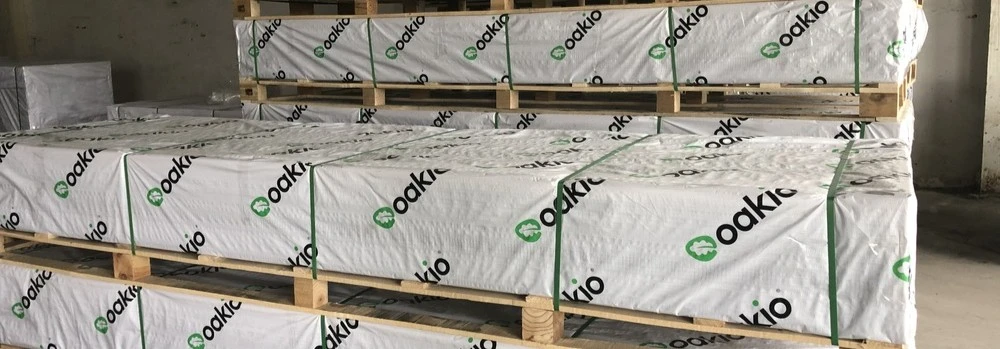
Most manufacturers use protective film, reinforced cartons, pallets, or securing straps to improve cargo stability inside containers. Proper container loading is equally important because inefficient loading arrangements can waste shipping space and increase transportation costs.
Experienced suppliers carefully calculate container capacity and loading layouts to maximize efficiency while ensuring product safety during long-distance transport.
For buyers, discussing packaging details before shipment is an important step, especially for large commercial projects or premium product lines where appearance consistency matters.
Understanding Shipping Costs
Many first-time importers focus only on product pricing and underestimate the total cost of international shipping. In reality, transportation expenses involve much more than ocean freight alone.
Additional costs may include customs clearance fees, port handling charges, inland transportation, insurance, import duties, storage fees, and local delivery expenses. Depending on the destination country, tariffs and taxes can significantly affect the final landed cost.
Understanding Incoterms is also essential when importing WPC wall panels. Shipping terms such as FOB, CIF, or DDP determine which party is responsible for transportation costs, insurance, and shipping risks at different stages of the logistics process.
Clear communication about shipping responsibilities can help buyers avoid misunderstandings and unexpected charges later.
Why Shipping Documents Matter
Accurate export documentation is essential for smooth customs clearance and efficient delivery. Common documents for WPC wall panel exports include commercial invoices, packing lists, bills of lading, certificates of origin, and product testing certificates when required.
Incorrect or incomplete paperwork can lead to customs inspections, shipment delays, or additional storage fees at the port. Reliable suppliers usually assist buyers with document preparation to ensure the shipping process moves smoothly.
For first-time importers, working with experienced exporters can greatly reduce the risk of documentation-related issues.
Conclusion
MOQ, lead time, and shipping logistics are some of the most important aspects of importing WPC wall panels successfully. Understanding how these factors work allows buyers to plan orders more effectively, reduce sourcing risks, and control overall project costs.
By confirming specifications early, choosing realistic production timelines, and working with experienced manufacturers, buyers can create a more stable and efficient supply chain. In the long run, proper planning not only improves delivery reliability but also helps businesses build stronger relationships with suppliers and customers alike.
Trending Reading

Top WPC Distributor in the Philippines: Why Oakio Leads the Way
The construction and home improvement market in th...

Wholesale Composite Decking: A Complete Buying Guide
The wholesale composite decking market offers sign...
Composite Decking Distributor vs Manufacturer: What’s the Difference?
When sourcing composite decking for a construction...
How to Evaluate Composite Decking Quality Before Ordering
Choosing a composite decking supplier is an import...

How to Import Composite Decking from China
China has become an important sourcing destination...

What Support Should a Composite Decking Manufacturer Provide?
Choosing a composite decking manufacturer is about...

How to Choose a Reliable Composite Decking Distributor
Choosing a reliable composite decking distributor ...

Why Partner with Oakio for Long-Term WPC Wall Panel Supply
In today’s competitive construction and buil...

How to Become a WPC Wall Panel Distributor
The global construction and renovation industries ...

2026 WPC Wall Panel Design Trends Buyers Should Know
As architectural design continues to evolve, exter...
Trending Reading

What Are the Differences Between the WPC Board and PVC Board?


[2025 Update] How Long Does WPC Decking Last?


