
WPC Wall Panel Price Factors Explained: What Affects Cost?
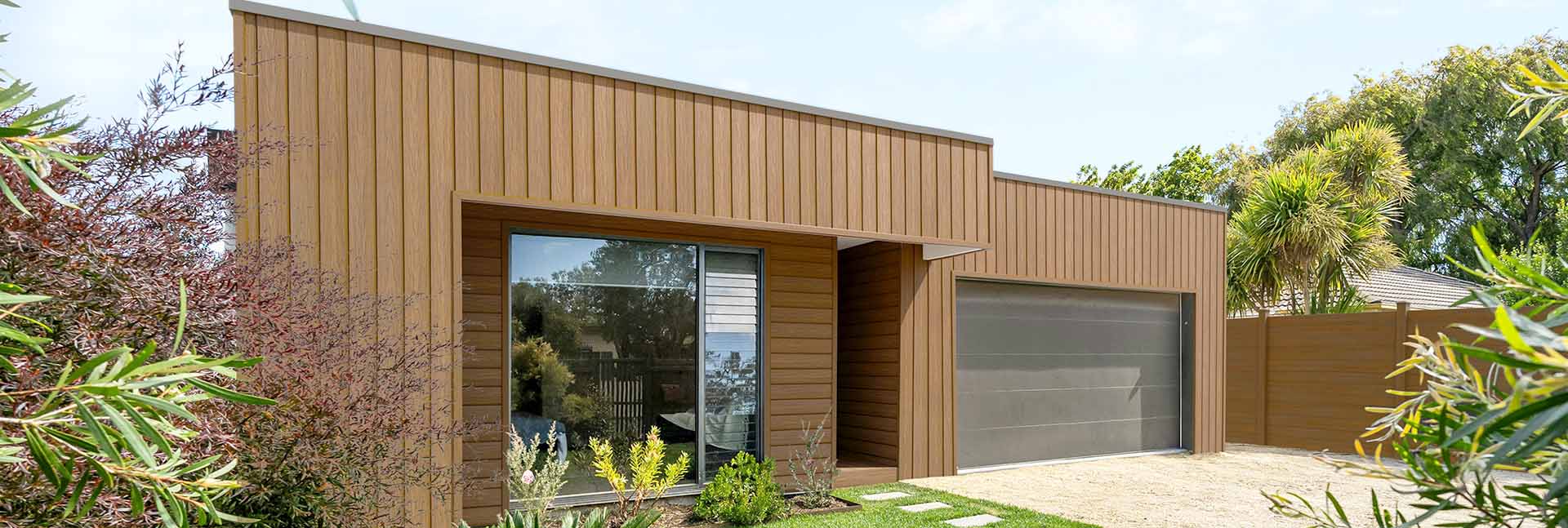
Wood-Plastic Composite (WPC) wall panels have become a widely used material in modern architecture thanks to their durability, wood-like aesthetics, and low maintenance requirements. From residential interiors to commercial facades and outdoor cladding systems, WPC wall panels offer a practical balance between design flexibility and long-term performance.
However, anyone sourcing materials quickly notices that WPC wall panel prices can vary significantly between suppliers. Even products that look similar may differ greatly in cost. This is because pricing is shaped by multiple underlying factors related to materials, production technology, performance requirements, and logistics.
Brands such as Oakio, for example, develop different WPC wall panel systems based on performance grades and application needs, which reflects how these factors directly influence final pricing. Understanding these cost drivers helps buyers make more informed and value-driven decisions.
Material Composition Directly Impacts Price
The raw material composition is one of the most fundamental factors affecting WPC wall panel cost.
WPC panels are made by combining wood fibers with thermoplastics such as polyethylene, polypropylene, or PVC. The quality and ratio of these components directly influence durability, stability, and resistance to environmental stress.
Higher-quality formulations generally use better-selected wood fibers and more stable polymers, which improve long-term performance but increase production cost. This is especially important for exterior applications where panels are exposed to sunlight, moisture, and temperature fluctuations over time.
Additives also play a major role in pricing. Manufacturers often incorporate UV stabilizers, anti-aging agents, moisture resistance enhancers, and color stabilizers to improve product lifespan. These performance upgrades increase material costs but significantly improve long-term reliability.
Advanced processes such as co-extrusion further influence pricing. Co-extruded WPC wall panels include a protective outer layer that improves resistance to fading, scratching, and staining. This additional layer requires more complex production technology, which results in a higher price point but also better surface durability.
Panel Size and Specifications Affect Manufacturing Cost
Physical specifications such as thickness, width, and length directly affect production cost.
Thicker panels require more raw material, which naturally increases cost. However, they also provide better structural strength and durability, making them suitable for demanding architectural applications.
Larger panels require more material input and may require specialized extrusion equipment. They can also increase transportation and packaging expenses due to their size and handling requirements.
Surface finishes further influence pricing. WPC wall panels are available in various textures, including wood grain embossing, brushed finishes, and deep texture designs. More complex surface treatments require additional molds and production steps, which increases manufacturing costs.
Manufacturing Technology Creates Price Differences
Not all WPC wall panels are produced using the same level of manufacturing technology.
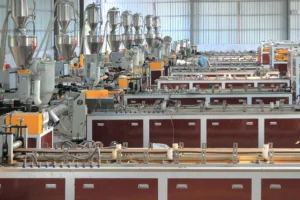
High-quality manufacturers invest in advanced extrusion lines, automated systems, and strict quality control processes to ensure consistent product performance. These investments improve dimensional accuracy, surface consistency, and long-term durability, but they also increase production costs.
Reliable production also involves continuous testing during manufacturing, including checks for strength, water absorption, UV resistance, and color stability. These quality control processes ensure stable performance but add to operational expenses.
At the same time, large-scale manufacturers can achieve better efficiency through optimized production systems, which helps balance cost and quality.
Customization and Design Complexity Increase Cost
Standard WPC wall panels are generally more cost-effective than customized solutions.
In many architectural projects, however, customization is required to meet design or branding needs. This may include special colors, unique dimensions, or customized surface textures. Each customization requires adjustments in production settings and sometimes new tooling, which increases cost.
Installation systems can also influence pricing. Some WPC wall panel systems use hidden fasteners or specialized accessories to achieve a cleaner appearance and easier installation. While these systems improve aesthetics and installation efficiency, they also add to material and system costs.
Performance Features Contribute to Premium Pricing
Higher performance requirements usually result in higher product costs.
Exterior-grade WPC wall panels must withstand UV exposure, moisture, temperature changes, and long-term environmental stress. Enhancing these properties requires more advanced formulations and manufacturing processes.
Fire performance is another key factor, especially for commercial and public buildings. Fire-rated materials require additional testing, certification, and specialized additives, all of which increase cost.
Similarly, panels designed for high-traffic or impact-prone environments require enhanced durability, which also contributes to higher pricing.
Certifications and Compliance Requirements Affect Cost
Certifications and compliance testing add another layer to WPC wall panel pricing.
Products used in commercial or export markets often need to meet specific safety, environmental, or performance standards. Independent third-party testing ensures that products meet these requirements.
Manufacturers such as Oakio invest in quality control systems and testing processes to ensure compliance with international standards. While these certifications increase production costs, they also provide assurance of consistent quality and reliability.
Logistics and Transportation Add to Final Cost
The final price of WPC wall panels is also influenced by logistics and transportation.
Shipping costs vary depending on distance, order size, packaging requirements, and transportation method. International shipping, in particular, can significantly impact overall cost due to freight charges, customs duties, and handling fees.
To reduce damage during transit, WPC panels require protective packaging, especially for long-distance shipping. This adds to the total supply chain cost but ensures product quality upon arrival.
Bulk orders often benefit from lower per-unit logistics costs, making large-scale procurement more cost-efficient.
Supplier Capabilities Influence Product Value
Different suppliers offer different levels of product quality, technical support, and service reliability.
Established manufacturers like Oakio typically invest in research and development, production optimization, and customer support systems. These capabilities contribute to more consistent product quality and long-term reliability.
Warranty coverage, technical support, and supply stability are also important value factors. While these services may slightly increase pricing, they provide greater security for large or time-sensitive construction projects.
Market Conditions Can Change Pricing Over Time
External market factors also influence WPC wall panel pricing.
Fluctuations in raw material costs, especially polymers and wood fiber inputs, can directly affect production expenses. Transportation costs and global supply chain conditions also play a role.
Seasonal construction demand may influence availability and pricing, while bulk purchasing typically offers better cost efficiency due to economies of scale.
Looking Beyond Initial Price
While price is an important consideration, selecting WPC wall panels based solely on the lowest cost may lead to higher long-term expenses.
Lower-priced products may compromise on material quality, durability, or surface stability, potentially resulting in higher maintenance or replacement costs over time.
A more effective approach is to evaluate total lifecycle value, including durability, performance consistency, maintenance needs, and warranty support.
In many cases, investing in higher-quality products from manufacturers like Oakio results in better long-term cost efficiency and reduced project risk.
Conclusion
WPC wall panel pricing is influenced by multiple interconnected factors, including material composition, manufacturing technology, product specifications, customization requirements, performance standards, certifications, logistics, and supplier capabilities.
Understanding these cost drivers allows buyers to make more informed comparisons and select products based on long-term value rather than initial price alone.
By working with experienced manufacturers such as Oakio, project owners and distributors can achieve a better balance between cost, quality, and long-term performance.
Trending Reading
OEM vs ODM WPC Wall Panels: Which Option Fits Your Business?
As demand for wood-plastic composite (WPC) wall pa...
Custom WPC Wall Panel Solutions for Distributors and Brands
The global demand for WPC wall panels continues to...
How to Reduce Shipping Damage for WPC Wall Panel Orders
As global demand for WPC wall panels continues to ...
WPC Wall Panel MOQ, Lead Time, and Shipping: What Buyers Should Know
When importing WPC wall panels from overseas suppl...
How to Import WPC Wall Panels from China: Step-by-Step Guide
As global demand for modern and low-maintenance bu...
WPC Wall Panel Buying Guide for Importers and Distributors
Wood-Plastic Composite (WPC) wall panels have beco...
How to Avoid Common Sourcing Mistakes When Buying WPC Wall Panels
Wood-plastic composite (WPC) wall panels have beco...

Why Certifications Matter When Buying WPC Wall Panels
As Wood-Plastic Composite (WPC) wall panels become...
WPC Wall Panel Manufacturing Process Explained for B2B Buyers
Wood-plastic composite (WPC) wall panels have beco...
How Oakio Ensures Quality in WPC Wall Panel Production
In today’s competitive construction and interior d...
Trending Reading
What Are the Differences Between the WPC Board and PVC Board?
[2025 Update] How Long Does WPC Decking Last?


